

The resume is no longer a static document. In 2026, it is a dynamic, data-driven asset that needs to perform in two different worlds at once: the algorithmic world of Applicant Tracking Systems (ATS) and the human world of recruiters and hiring managers. If you are still writing resumes the way you did in 2019, you are not just behind, you are invisible. This guide is designed to fix that.
An AI resume builder is not a magic wand, but it is the most powerful tool available for modern job seekers when used correctly. It can compress hours of writing into minutes, surface the right keywords, and transform vague job duties into quantified achievements. The goal is not to let AI speak for you. The goal is to use AI to reveal your value with clarity and speed, then refine the result with your expertise.
This is the complete 2026 guide to building a high-performing resume with AI, step by step, in a way that aligns with how recruiters actually hire. If you want a resume that is fast, credible, and optimized for every stage of the hiring funnel, start here.
The 2026 Resume Landscape: Why Old Advice Fails
The last few years have changed hiring in three ways. First, ATS filtering has become more strict. Many organizations now use weighted keyword scoring, not just keyword detection. Second, hybrid roles are the norm. That means your resume must show both technical depth and cross-functional impact. Third, speed matters. Companies move fast, and applicants who can tailor fast are the ones who win.
This creates a new standard: your resume must be specific, quantified, and targeted, and it must be created quickly enough to keep up with the pace of the market. Traditional resume writing methods cannot meet those requirements consistently. AI resume builders can, when used with a strategic workflow.
What an AI Resume Builder Actually Does
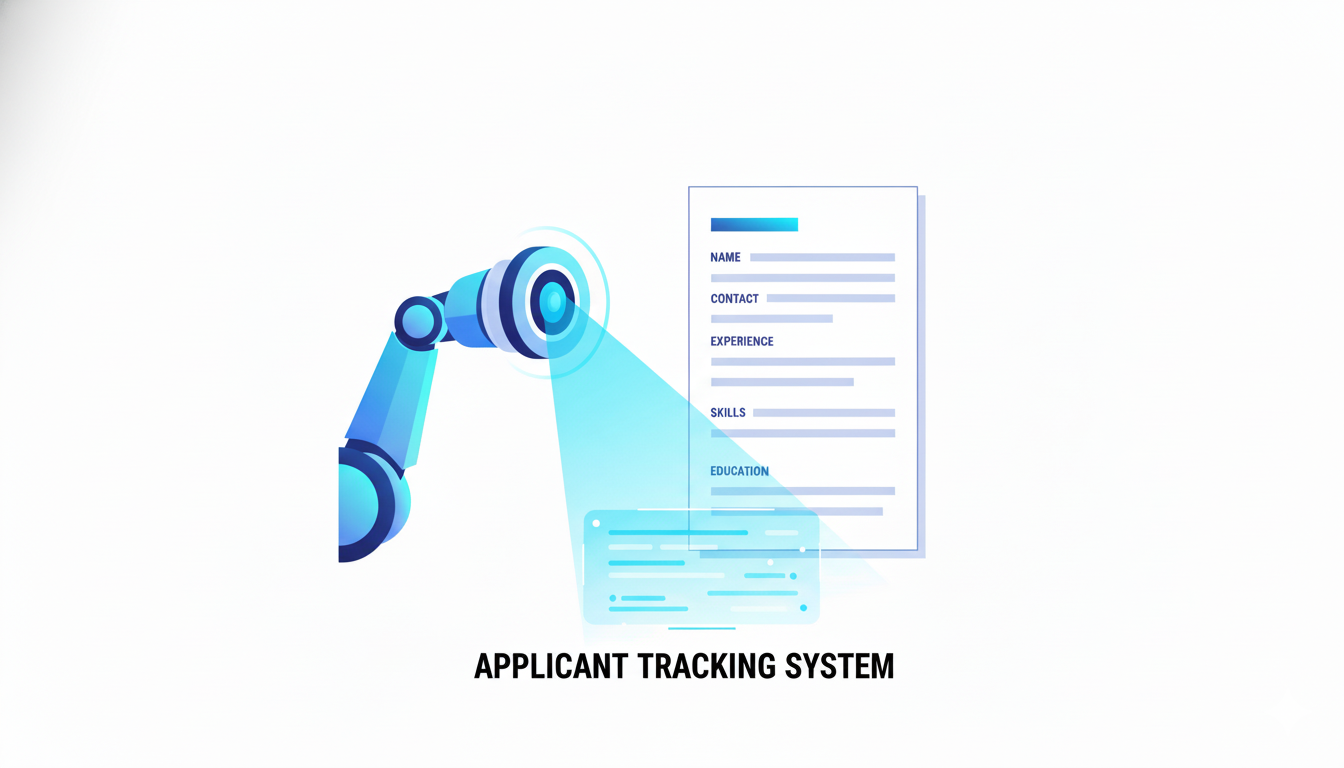
A good AI resume builder is a decision-support system. It does three things extremely well.
- It analyzes job descriptions and surfaces the highest-value keywords and phrases.
- It generates achievement-focused bullet points in the tone and structure recruiters recognize.
- It formats and organizes content into modern, ATS-friendly templates without breaking layout rules.
What it cannot do is invent your experience. It needs your real stories and results. The best outcome happens when you provide the raw material and use AI to shape it into the most credible and compelling version.
Why CareerLyft Is Built for This Moment
CareerLyft was created for speed and clarity. The platform focuses on a clean workflow: import your experience, choose a template, optimize for keywords, and refine achievements. Unlike subscription-heavy tools, CareerLyft offers one-time payments starting at $1.99 for the AI resume builder, which keeps the value clear and eliminates recurring costs while still giving you professional-grade results.
That pricing model matters. If you are in an active job search, you may need to produce several versions of your resume quickly. A predictable, one-time payment removes friction and lets you focus on the work that actually gets interviews.
Step-by-Step: Building a High-Performance Resume With AI
This workflow is designed to be repeatable. Use it once, and you can reuse it for every new role.
- Start with a master resume that contains your full career history, projects, and skills.
- Paste the target job description into the AI builder.
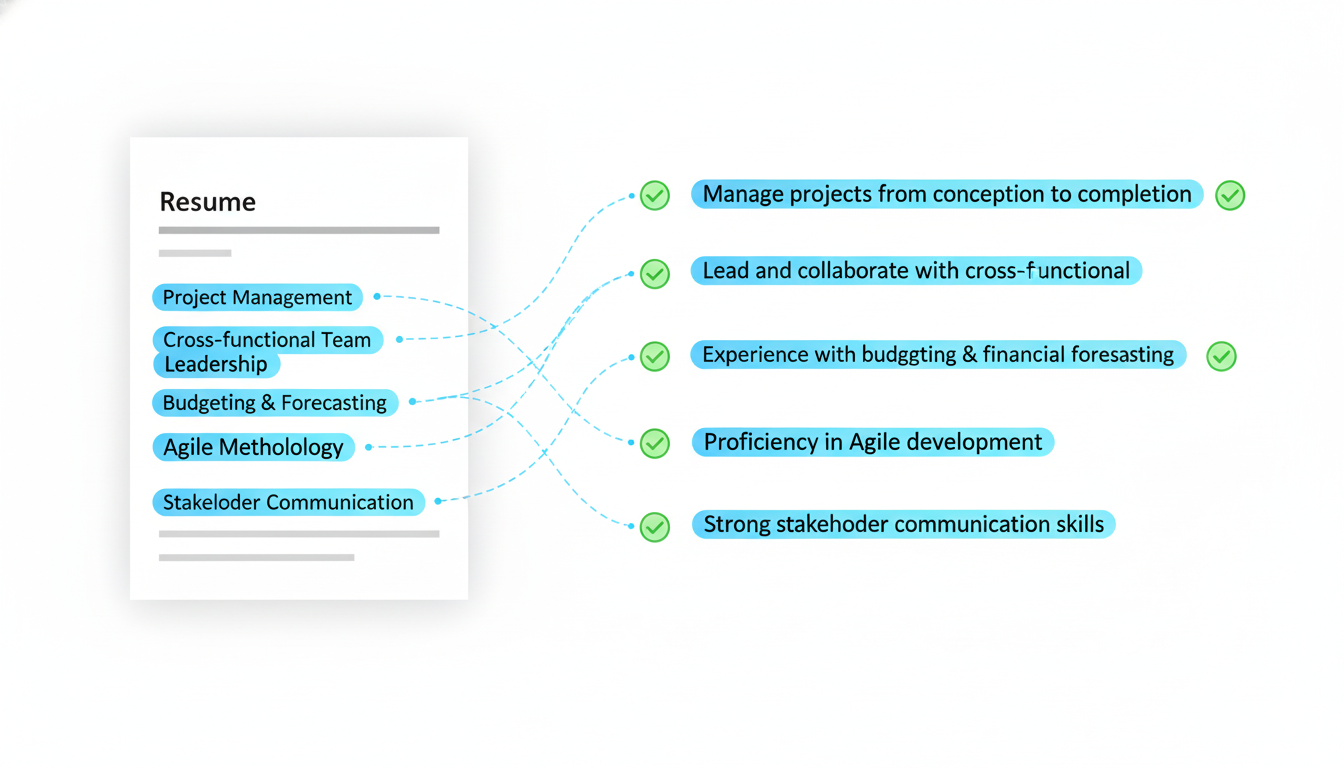
- Extract the top keywords and map them to your experience.
- Generate achievement bullets that include scope, metrics, and outcomes.
- Select an ATS-friendly template and export in the requested format.
- Validate for clarity and consistency, then tailor micro-sections like the summary and skills list.
That is the high-level view. The next sections dive into the critical details that separate average resumes from interview-winning resumes.
Keyword Intelligence: The Resume Version of SEO
Keywords are the currency of modern hiring. Just as websites need the right search terms to rank, resumes need the right language to pass ATS filters and prove relevance. The best AI resume builders do not just list keywords. They identify clusters, synonyms, and related terms that signal depth.
Think in layers:
- Core role keywords: the job title, common role synonyms, and the essential function.
- Tool and technology keywords: software, platforms, and frameworks used in the role.
- Outcome keywords: metrics such as growth, efficiency, revenue, retention, conversion, or uptime.
- Context keywords: industries, regulatory environments, or customer segments.
The AI should surface these, but you should decide where they belong. Keywords placed inside bullet points carry more weight than keywords dumped into a skills list. Aim for context, not stuffing.
How to Build Achievement Bullets That Convert
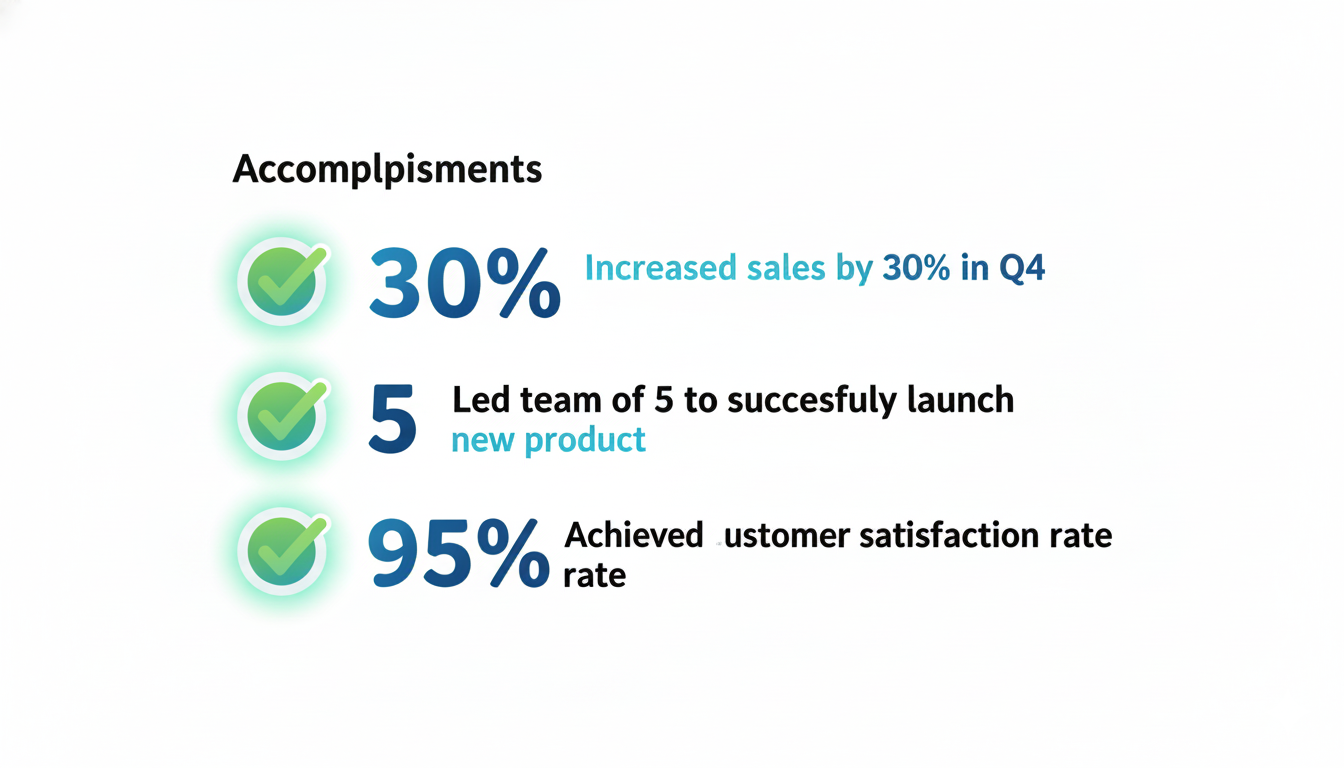
The difference between an average resume and a strong resume is usually the experience section. AI can help turn vague responsibilities into outcomes. The structure that works best in 2026 is still simple: action, scope, result.
Instead of: "Managed social media accounts."
Use: "Led a multi-platform social strategy across LinkedIn, Instagram, and TikTok, increasing qualified inbound leads by 28 percent in six months."
You do not need to manufacture numbers. If you can estimate, use ranges. If you improved a process, translate time saved into hours. If you scaled a team, name the size. AI can propose phrasing, but only you can validate the truth. That is why your role is essential in the process.
The Summary Section: The 7-Second Test
Recruiters still skim. In that first skim, the summary does the heavy lifting. It should answer three questions fast: Who are you, what do you do best, and what impact do you deliver? A strong AI resume builder will give you multiple summary options, but you must select the one that matches the role.
A powerful summary includes:
- Role identity: "Data analyst with 5 years in healthcare analytics."
- Core strengths: "Dashboard design, SQL automation, predictive modeling."
- Impact: "Reduced reporting time by 40 percent while improving clinical decision support."
If your summary can be copied into any job without editing, it is too generic. Use AI to tailor, then sharpen it manually.
Skills Architecture: Where to Place What
The skills section is not a keyword dump. It is a structured signal. Organize it into categories to improve both ATS parse and human readability. Common categories include:
- Technical: tools, platforms, programming languages.
- Analytical: methods, frameworks, modeling techniques.
- Leadership: hiring, mentoring, cross-functional collaboration.
- Domain: industry knowledge, regulatory experience.
AI can help rank the skills by relevance to the target role. Use that ranking to decide what goes first. The skills at the top of the section act as a second headline after your summary.
Formatting for ATS and Human Eyes
ATS systems are still finicky. A design that looks great to a human can break when parsed by software. The safest choices in 2026 remain:
- Single-column layout.
- Clear section headings such as "Experience," "Skills," and "Education."
- Consistent date formatting, such as "Jan 2022 - Mar 2025."
- Standard fonts like Arial, Calibri, or Helvetica.
AI builders like CareerLyft handle this by design. That removes the risk of invisible text boxes, columns, or graphics that cause parsing errors. The goal is simple: make your resume readable to both machines and people.
Tailoring at Scale Without Starting Over
Most candidates lose because they apply with a generic resume. AI makes tailoring faster, but it still requires intention. A scalable approach looks like this:
- Keep a master resume with everything.
- For each role, generate a tailored version by adjusting the summary, skills order, and 4 to 6 bullets.
- Save each version with a clear naming convention so you can track which resume performed best.
This is where AI saves the most time. Instead of rewriting from scratch, you swap high-impact parts based on the job description. It is the fastest path to relevance.
Proof, Credibility, and the Portfolio Layer
By 2026, recruiters expect supporting evidence. That could be a portfolio, a GitHub profile, a presentation deck, or a certification badge. AI can remind you to include these, but you must own the credibility.
If you can link to work samples, do it. If not, highlight outcomes with enough detail that a recruiter can imagine the impact. A resume is a marketing document, but it must be rooted in reality. Credibility beats exaggeration every time.
Common AI Resume Mistakes and How to Avoid Them
AI is powerful, but there are pitfalls that can hurt your credibility if you are not careful.
- Overly generic phrasing that sounds like a template.
- Inflated metrics without evidence.
- Keyword stuffing that reduces readability.
- Inconsistent dates or job titles across sections.
The fix is simple: use AI for structure and speed, then edit for truth, tone, and clarity. Your resume should still sound like you, just sharper and more precise.
The 2026 Resume Quality Checklist
Before you submit, run your resume through this checklist.
- The summary states your role, strengths, and impact in three lines.
- Each bullet includes a verb, scope, and outcome.
- The skills section mirrors the job description language.
- Formatting is consistent and ATS-safe.
- The file name is professional and tailored to the role.
If you can check these boxes, your resume is ready.
Frequently Asked Questions About AI Resume Builders
Are AI resumes detected and rejected by ATS?
No. ATS systems do not detect "AI writing." They parse text and check for keywords and structure. A well-written AI-assisted resume is indistinguishable from a human-written resume and often performs better because it is more structured and targeted.
Do I still need to write a cover letter?
Not always, but it helps for competitive roles. The best approach is to use the same AI workflow: extract keywords, reference a few measurable achievements, and align your story to the company mission. A strong resume plus a targeted cover letter is still a powerful combination.
Can AI make my resume too long?
Yes, if you accept every suggestion without editing. Keep the resume focused on relevance. If a line does not support the target role, remove it. The standard length in 2026 is still one page for early career and two pages for experienced professionals.
How many versions should I keep?
At minimum, keep two: one master resume and one tailored version per role type. If you are applying across different functions, build one tailored resume for each function and customize further per company.
Is CareerLyft good for non-technical roles?
Yes. The platform is designed for all industries and includes templates and language patterns for marketing, sales, operations, customer success, healthcare, finance, and more. The key is to provide accurate input and then tailor for each role.
Advanced Resume Sections That Drive Interviews
Once the core sections are strong, advanced sections can add a surprising amount of lift. These are optional, but in 2026 they often help candidates stand out without adding fluff.
- Projects: use this for relevant work that does not fit neatly into your job titles, such as freelance work, certifications with capstone projects, or internal initiatives.
- Awards and recognition: highlight measurable recognition such as "Top 5 percent of sales team" or "Employee of the Quarter."
- Publications or speaking: include talks, workshops, or articles if they reinforce your expertise.
- Volunteer leadership: if you led a team or drove results, this can reinforce leadership and initiative.
AI can help you write these sections quickly, but you should keep them short and focused. One or two strong bullets is better than a long list of minor items. The goal is to add credibility, not length.
The 30-Minute Tailoring Sprint
When a job posting is highly relevant, speed matters. A simple 30-minute workflow can get you a tailored resume without sacrificing quality.
- Spend 5 minutes highlighting keywords and responsibilities in the job description.
- Spend 10 minutes adjusting your summary and skills order to match those keywords.
- Spend 10 minutes editing the top 4 bullets under your most recent role to reflect the target responsibilities.
- Spend 5 minutes scanning for format consistency and clarity.
This short sprint can raise your ATS score and make your resume read as if it was written specifically for that role, which is exactly what recruiters want to see.
The Human Review Loop That AI Cannot Replace
AI can accelerate the writing, but the final review is still a human task. Before you submit, read the resume out loud. If a bullet sounds robotic, rewrite it. If a metric sounds inflated, adjust it. If a section feels generic, add a detail that only someone with your experience could know.
The most successful candidates treat AI as a drafting partner, not a final author. They add nuance, context, and credibility. That final human layer is often what separates a good resume from a great one.
Final Takeaway: Speed With Strategy Wins
A resume in 2026 is a performance asset. AI resume builders give you speed, structure, and keyword intelligence, but your strategy makes it effective. Use AI to get a strong draft fast, then refine it with your real achievements, your language, and your priorities.
If you want a modern resume that is optimized for ATS and designed to impress real humans, CareerLyft is built for that moment. One-time payments starting at $1.99 remove friction, and the AI workflow makes tailoring fast and repeatable.
Build your resume with CareerLyft.ai and start applying with confidence.