

Being a student or recent graduate in 2026 is exciting and overwhelming. The job market is full of opportunity, but it is also crowded. Many applicants have similar education and limited work experience, which makes resumes feel interchangeable. The fastest way to stand out is to build a resume that is clear, quantified, and tailored for the role you want.
AI resume builders make this easier. They help you translate coursework, projects, internships, and volunteer work into professional language. They also help you align your resume with ATS systems so you do not get filtered out before a human ever sees your name.
This guide shows you how to create a high-impact resume as a student or new graduate using AI, even if you feel like you have "nothing to put on it."
The Reality of Entry-Level Hiring in 2026
Recruiters for entry-level roles often review hundreds of resumes per opening. They rely on ATS tools to filter applicants quickly. That means your resume must have the right keywords and the right structure before anyone reads it.
The good news is that entry-level recruiters are not expecting decades of experience. They are looking for evidence of potential, relevant skills, and a clear direction. Your job is to show those signals clearly and confidently.
Start With a Target Role, Not a Generic Resume
A common student mistake is writing one generic resume and sending it everywhere. That rarely works. Start by identifying a specific role, such as "Data Analyst Intern," "Marketing Associate," or "Junior Software Engineer."
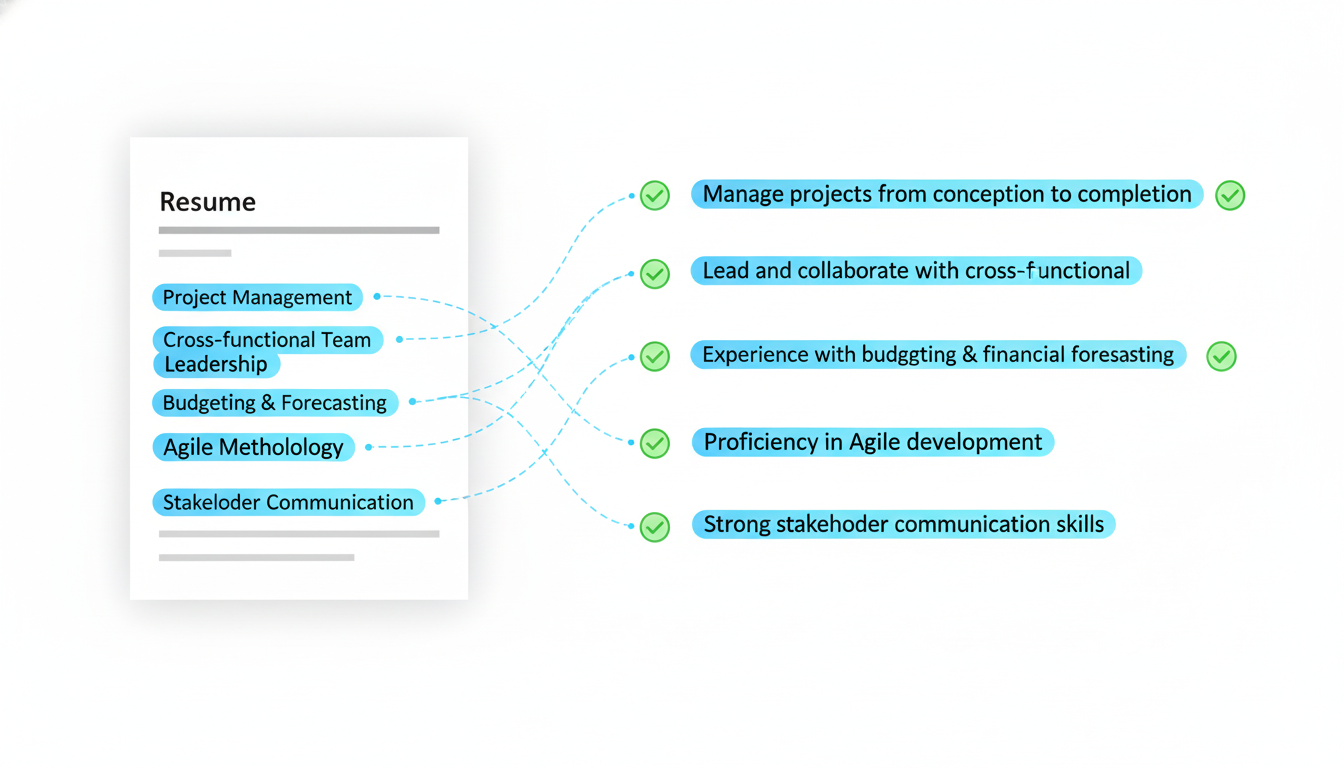
Then collect three job descriptions for that role. Use an AI resume builder to extract the top keywords and responsibilities. That becomes your keyword map and determines the language you should use throughout your resume.
Build a Strong Student Summary
A summary is optional for students, but in 2026 it is often useful. It helps recruiters quickly understand who you are and what you want.
A strong student summary includes:
- Your education and focus area.
- Relevant skills and tools.
- The type of role you are targeting.
Example:
"Recent computer science graduate with hands-on experience in Python, SQL, and data visualization. Built machine learning projects focused on customer churn prediction and seeking an entry-level data analyst role."
AI can draft this for you in seconds, but you should refine it to match your goals.
Replace "Experience" With Evidence
If you have limited work history, the key is to replace "experience" with evidence of skill. Evidence can come from:
- Class projects.
- Internships.
- Hackathons or competitions.
- Volunteer roles.
- Freelance or part-time work.
Treat projects like real jobs. Use bullets that show what you built, what tools you used, and what results you achieved.
Use AI to Translate Projects Into Resume-Ready Bullets
Most students describe projects informally. AI can help you convert these into professional bullets:
Before: "Built a website for a class."
After: "Designed and deployed a responsive e-commerce site using React and Node.js, improving page load speed by 35 percent."
The difference is clarity and impact. AI can suggest this structure, but the details must come from you.
Highlight Internships the Right Way
Internships are gold, but many students undersell them. Use AI to focus on impact, not tasks. Even small results matter.
Example:
"Created weekly social media reports and optimized content scheduling, increasing engagement by 18 percent over eight weeks."
This shows ownership and measurable outcomes, even in a short internship.
Build a Skills Section That Matches the Role
Your skills section is a keyword engine. In 2026, recruiters expect to see tools and platforms listed clearly. Avoid vague skills like "hardworking" or "good communicator." Focus on the tools you can use right now.
Examples:
- Data: Excel, SQL, Tableau, Python.
- Marketing: Google Analytics, Meta Ads, HubSpot.
- Engineering: React, Java, Git, AWS.
AI can help prioritize and organize these based on the job description.
Add a Projects Section for Maximum Impact
A dedicated projects section is often the best part of a student resume. It provides evidence when job experience is limited.
Use the same bullet formula as experience:
- Action verb.
- Tool or skill used.
- Outcome or result.
Example:
"Built a customer segmentation model in Python, achieving 85 percent accuracy and improving retention targeting in a simulated dataset."
This makes your resume look job-ready.
Use Keywords Without Sounding Like a Robot
The challenge is to include keywords while keeping the resume readable. Use keywords in context, especially inside project bullets. Avoid listing a long string of tools with no context.
AI can help you weave keywords into sentences, but you should read the final version to ensure it sounds like a real person.
The Education Section Still Matters
For students, education is more important than for experienced professionals. Include:
- Degree and graduation date.
- Relevant coursework.
- Honors or awards.
- GPA if it is strong and recent.
AI can help you prioritize the coursework that matches the job description. This makes the education section more relevant and less like a list.
Add Certifications and Online Learning
Micro-credentials matter in 2026. If you have completed certifications or online courses, list them. They show initiative and skill development.
Examples:
- Google Data Analytics Certificate.
- AWS Cloud Practitioner.
- HubSpot Inbound Marketing.
These are signals of intent and readiness.
Choose Projects That Prove Job-Ready Skills
Not every project deserves resume space. Choose projects that show the same skills the job description asks for. If the role requires data analysis, highlight projects where you used SQL, spreadsheets, or visualization. If the role is marketing, highlight campaigns, content performance, and audience growth.
AI can help you summarize projects, but you should choose projects that create a clear line between your work and the target role. Two strong projects are more valuable than five weak ones.
A Sample Entry-Level Resume Outline
If you are unsure about structure, this outline works well in 2026:
- Summary (optional but helpful).
- Skills (tools and technical skills first).
- Projects (2 to 4 with measurable outcomes).
- Experience (internships, part-time, volunteer).
- Education (degree, coursework, honors).
- Certifications and awards.
This order puts proof of skills near the top, which is essential when formal experience is limited.
GPA and Coursework: When to Include Them
GPA can help if it is strong and recent. As a general rule, include it if it is above 3.5 or if the employer asks for it. If your GPA is lower, focus on relevant coursework and projects instead.
Coursework should only be listed if it directly relates to the role. For example, "Database Systems" and "Business Analytics" are relevant for data roles, while "Digital Marketing Strategy" helps for marketing roles. AI can help you choose the most relevant courses and keep the list short.
Networking and the Resume Connection
Networking still drives many entry-level hires. Your resume should support your networking efforts. If you meet someone in your target field, your resume should instantly show the skills and projects you discussed.
Use AI to create a networking version of your resume that highlights the specific area you are exploring. This makes follow-up conversations stronger and increases referral chances.
A 30-Day Improvement Plan for New Grads
If your resume feels weak, build strength quickly:
- Week 1: complete a role-specific course or certification.
- Week 2: build a project and document results.
- Week 3: publish the project on GitHub or a portfolio site.
- Week 4: tailor the resume and apply to targeted roles.
This plan gives you fresh, relevant content to add to your resume within a month.
Common Student Resume Mistakes
Avoid these:
- Using a generic objective statement with no target role.
- Listing irrelevant coursework or skills.
- Leaving out projects because they were "just for class."
- Writing bullets that describe tasks instead of results.
AI can help correct these, but only if you use it with intent.
The Student Resume Tailoring Workflow
Here is a simple system:
- Build a master resume with all experience and projects.
- Use AI to extract keywords from each job posting.
- Tailor your summary, skills order, and project bullets.
- Save each version with a clear file name.
This makes it possible to apply fast without sacrificing quality.
Frequently Asked Questions
Should I include unrelated part-time jobs?
Yes, if you can show transferable skills. Focus on customer service, teamwork, and reliability. These still matter.
How long should a student resume be?
One page. Keep it focused on relevance and impact.
What if I have no internships?
Use projects, coursework, and volunteer work. Employers hire potential, and strong projects show it.
Can AI make my resume too polished?
AI can make it sound formal, but you can edit for authenticity. The key is clarity and relevance, not perfection.
How does CareerLyft help students?
CareerLyft provides ATS-friendly templates, keyword extraction, and bullet suggestions. Its one-time payment model starting at $1.99 makes it affordable for students who want professional quality without subscriptions.
Final Takeaway: Your Student Resume Can Be Powerful
You do not need years of experience to build a strong resume. You need clarity, relevance, and proof of skills. AI resume builders make it possible to translate your education, projects, and internships into a resume that recruiters respect.
Use AI to move fast, then refine your resume with your real achievements. That is how you stand out in a crowded entry-level market.