

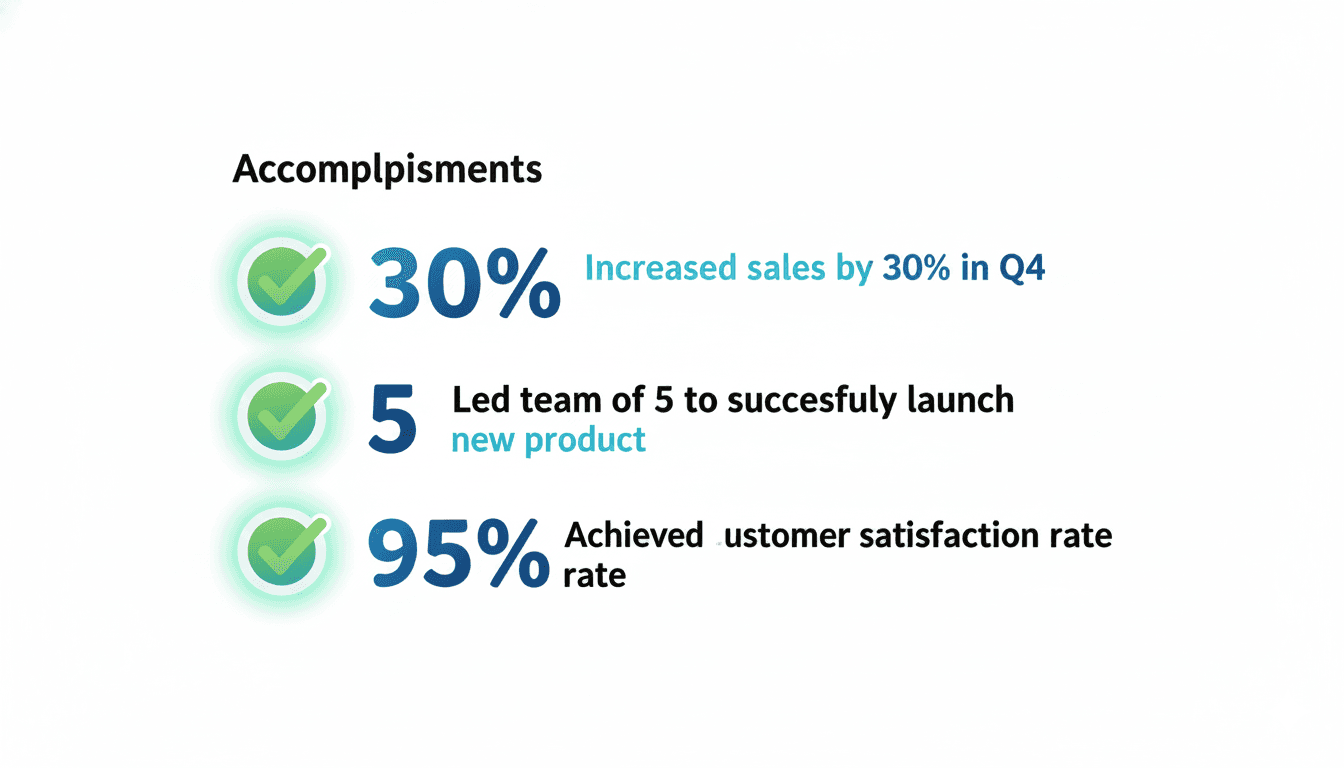
AI resume tailoring is the fastest way to adapt a strong resume to a specific role in 2026. This article focuses on impact statements and gives experienced professionals a system that is fast, reliable, and ATS safe.
Tailoring is not a trick. It is simply alignment. The best resumes do not just list experience; they mirror the language and priorities of the job description while proving real impact.
Use the framework below to build a repeatable process and avoid the common mistakes that keep strong candidates from landing interviews.
Why tailoring still wins in 2026
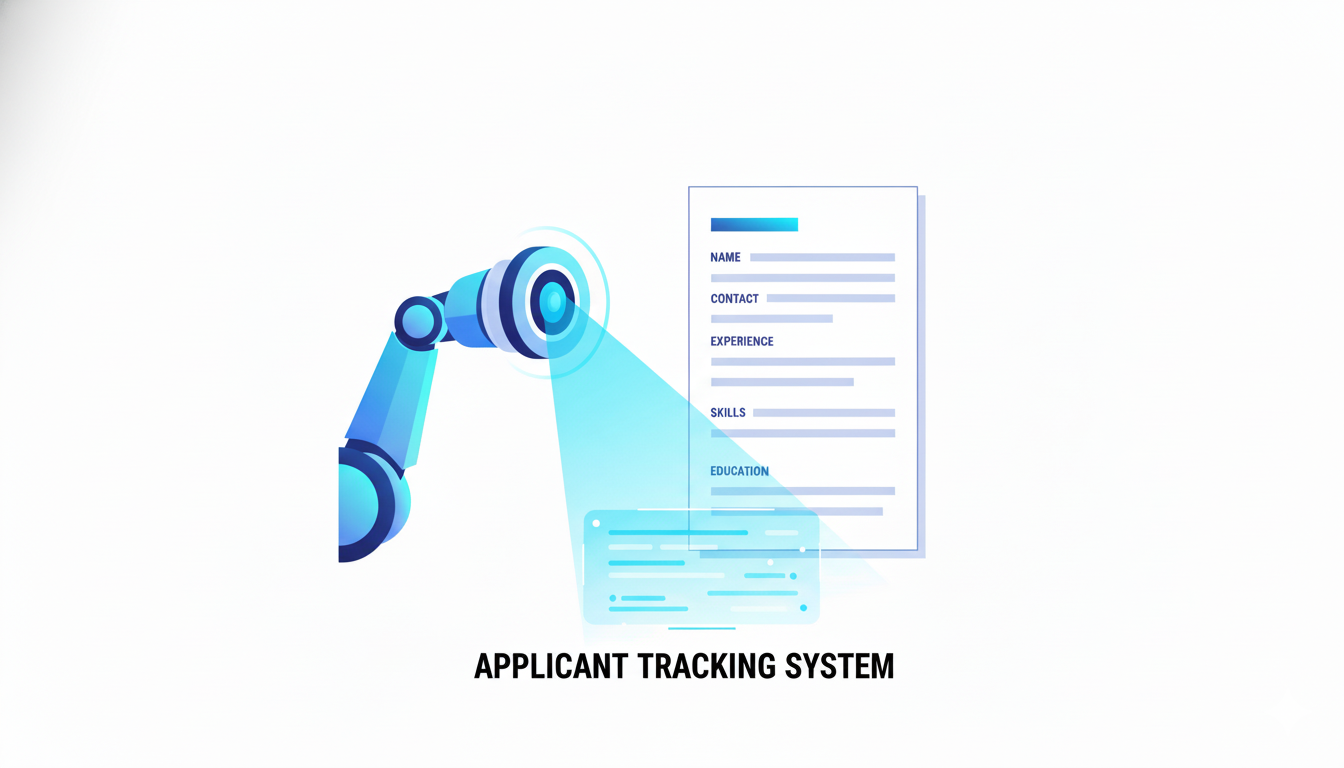
In 2026, most hiring funnels start with automation. Tailoring is still the highest leverage step because it aligns your evidence with the exact language the role expects.
The goal is not to trick the system. The goal is to make your real experience legible and relevant to the filters and the human reviewer.
A tailored resume also makes your interviews easier because the stories you tell match the resume the interviewer reads.
How AI resume tailoring works
AI resume tailoring tools analyze a job description, surface the most important signals, and suggest edits to your summary, skills, and bullets. This saves time and increases relevance.
The best results come from a strong base resume. AI can then help you reframe that base resume for specific roles without erasing your voice.
Quality control still matters. Always verify that the AI suggested content is accurate, honest, and supported by your experience.
A practical step by step workflow
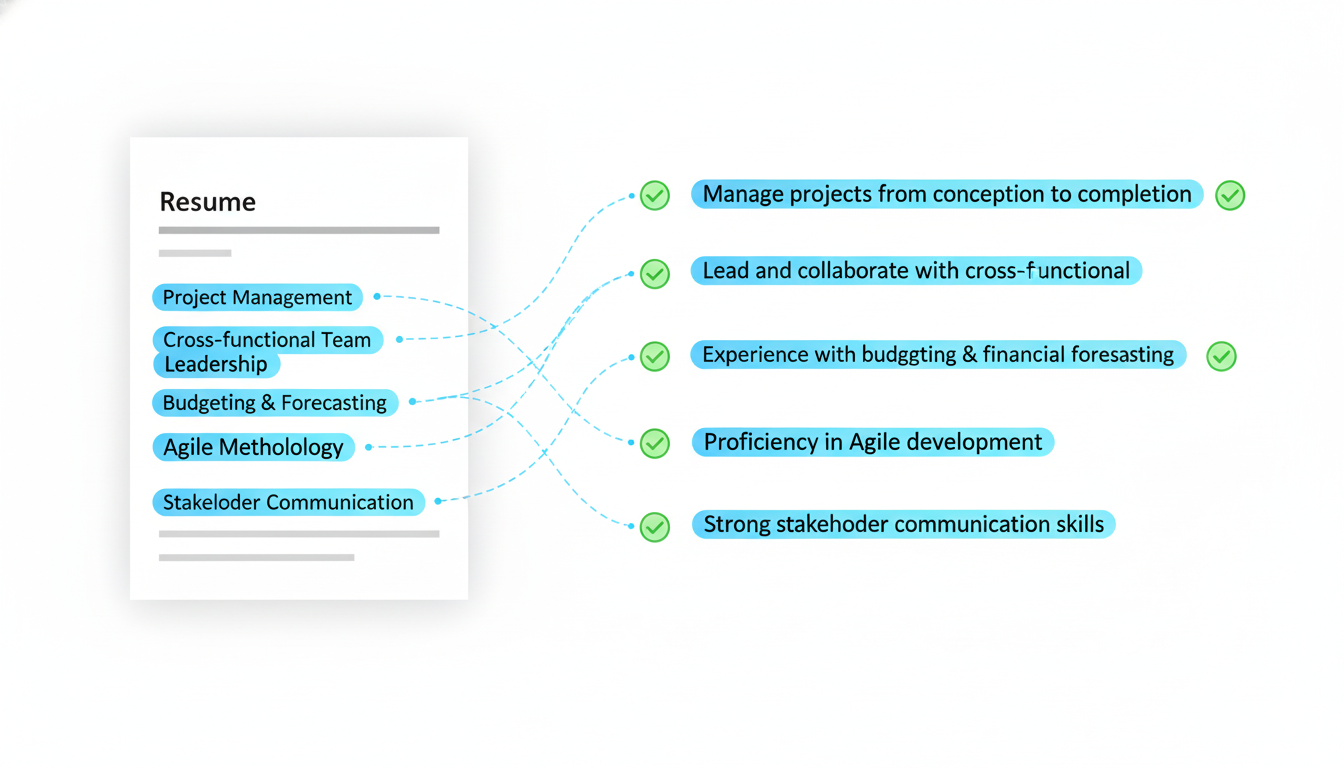
Step 1: Extract the role signals from the job description. Identify the top responsibilities, tools, and outcomes. These are the signals the ATS will scan for.
Step 2: Map your experience to those signals. Do not copy the job description. Instead, translate your real work into the language the role expects.
Step 3: Update your summary and skills section first. These sections are scanned quickly and act as the index for your resume.
Step 4: Rewrite your top three recent roles with targeted bullets. Each bullet should include an action, a metric, and a business outcome.
Step 5: Add proof points that support the keywords. If you list a tool or skill, show where you used it and how it helped deliver results.
Step 6: Run an ATS check. Verify headers, spacing, and file format to prevent parsing errors.
Step 7: Final pass for voice and clarity. AI can draft fast, but you must ensure the final resume sounds human and accurate.
Common resume tailoring mistakes
- Copying the job description verbatim. Fix: translate responsibilities into your specific achievements and metrics.
- Keyword stuffing without proof. Fix: place keywords only where you have evidence in your experience.
- Using a complex layout that breaks ATS parsing. Fix: use a clean single column format with standard headings.
- Listing skills without context. Fix: connect each skill to a bullet that proves it.
- Neglecting the summary section. Fix: tailor the summary to the role and include the top three signals.
- Including irrelevant experience. Fix: de emphasize older or unrelated roles and focus on transferable skills.
- Missing numbers. Fix: add scope, scale, or outcomes for each key achievement.
- Submitting the same resume to every role. Fix: create targeted variants for your top role types.
Proof and metrics that build trust
Proof beats claims. If you say you improved performance, show the metric and the baseline. If you led a project, show scope and outcome.
AI can help you draft metrics by prompting you for numbers, timelines, and scale. The final resume should read like a set of verified outcomes.
ATS and human readability checklist
- Standard headings are used: Summary, Experience, Skills, Education.
- Top keywords from the job description appear in summary and skills with proof in bullets.
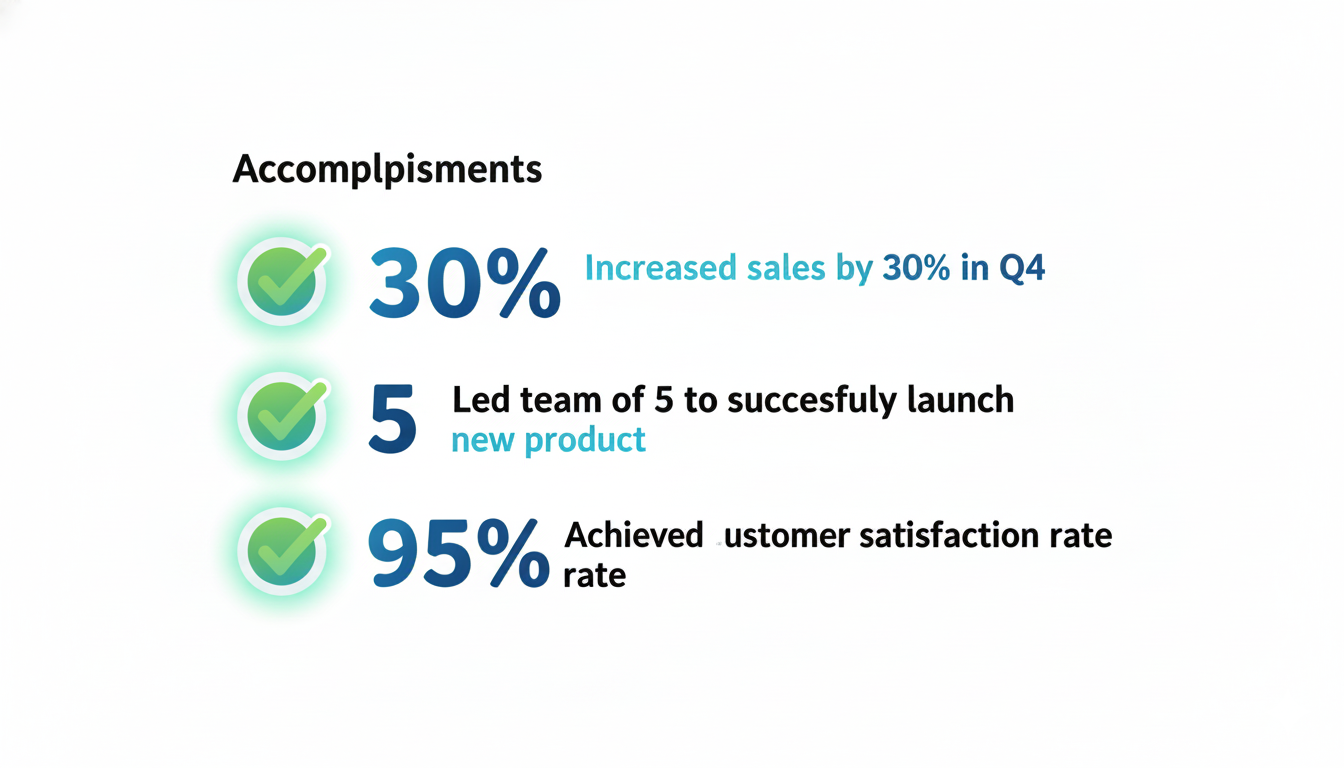
- Each bullet contains an action, a metric, and an outcome when possible.
- Formatting is simple and ATS safe with no tables or graphics.
- Most relevant experience is placed in the top half of the page.
- File is exported as a clean PDF or DOCX that parses correctly.
- Spelling and role names match the target job description.
- Voice is consistent and human, not generic or robotic.
FAQ
How often should I tailor my resume?
Tailor for each role category. A small set of variants is usually enough.
Do recruiters dislike AI generated resumes?
They dislike generic resumes. AI helps when it improves clarity and evidence.
Is ATS optimization still necessary?
Yes. ATS filters are still common, especially at larger companies.
What is the fastest safe workflow?
Start from a strong base resume and tailor the summary, skills, and top three roles.
Should I include every keyword?
Only include keywords you can prove with real experience.
Does formatting matter?
Yes. Simple structure improves ATS parsing and human readability.
Final takeaway
A tailored resume is still the fastest path to interviews when the market is competitive. Use AI for speed, but keep the evidence honest and the structure clean.
CareerLyft offers one time pricing for resume builders at https://careerlyft.ai, and realistic AI headshots for $3.99 with 20 image credits at https://careerlyft.ai/ai- headshots.
Build tailored resumes with one time pricing at https://careerlyft.ai and pair them with realistic headshots at https://careerlyft.ai/ai-headshots.
Resume tailoring is not about rewriting every line. It is about tuning the signal so the right reader sees the right evidence quickly. An ATS wants structured information, and a human wants proof of impact. A tailored resume can satisfy both.
Keyword strategy is a map, not a checklist. You want the important terms in the right sections, supported by metrics and context. Over stuffing keywords without evidence can harm readability and reduce trust.
Tailoring also improves interview performance. When your resume mirrors the job language, you naturally prepare better for the same themes during the interview.
Avoid making your resume too clever. ATS parsers prefer standard headings and a predictable structure. Creativity should live in the content, not the layout.
Keyword strategy is a map, not a checklist. You want the important terms in the right sections, supported by metrics and context. Over stuffing keywords without evidence can harm readability and reduce trust.
Tailoring also improves interview performance. When your resume mirrors the job language, you naturally prepare better for the same themes during the interview.
Avoid making your resume too clever. ATS parsers prefer standard headings and a predictable structure. Creativity should live in the content, not the layout.
Keyword strategy is a map, not a checklist. You want the important terms in the right sections, supported by metrics and context. Over stuffing keywords without evidence can harm readability and reduce trust.
Tailoring also improves interview performance. When your resume mirrors the job language, you naturally prepare better for the same themes during the interview.
Avoid making your resume too clever. ATS parsers prefer standard headings and a predictable structure. Creativity should live in the content, not the layout.
Keyword strategy is a map, not a checklist. You want the important terms in the right sections, supported by metrics and context. Over stuffing keywords without evidence can harm readability and reduce trust.
Tailoring also improves interview performance. When your resume mirrors the job language, you naturally prepare better for the same themes during the interview.
Avoid making your resume too clever. ATS parsers prefer standard headings and a predictable structure. Creativity should live in the content, not the layout.
Keyword strategy is a map, not a checklist. You want the important terms in the right sections, supported by metrics and context. Over stuffing keywords without evidence can harm readability and reduce trust.
Tailoring also improves interview performance. When your resume mirrors the job language, you naturally prepare better for the same themes during the interview.
Avoid making your resume too clever. ATS parsers prefer standard headings and a predictable structure. Creativity should live in the content, not the layout.
Keyword strategy is a map, not a checklist. You want the important terms in the right sections, supported by metrics and context. Over stuffing keywords without evidence can harm readability and reduce trust.
Tailoring also improves interview performance. When your resume mirrors the job language, you naturally prepare better for the same themes during the interview.
Avoid making your resume too clever. ATS parsers prefer standard headings and a predictable structure. Creativity should live in the content, not the layout.
Keyword strategy is a map, not a checklist. You want the important terms in the right sections, supported by metrics and context. Over stuffing keywords without evidence can harm readability and reduce trust.
Tailoring also improves interview performance. When your resume mirrors the job language, you naturally prepare better for the same themes during the interview.
Avoid making your resume too clever. ATS parsers prefer standard headings and a predictable structure. Creativity should live in the content, not the layout.
Keyword strategy is a map, not a checklist. You want the important terms in the right sections, supported by metrics and context. Over stuffing keywords without evidence can harm readability and reduce trust.
Tailoring also improves interview performance. When your resume mirrors the job language, you naturally prepare better for the same themes during the interview.
Avoid making your resume too clever. ATS parsers prefer standard headings and a predictable structure. Creativity should live in the content, not the layout.
Keyword strategy is a map, not a checklist. You want the important terms in the right sections, supported by metrics and context. Over stuffing keywords without evidence can harm readability and reduce trust.
Tailoring also improves interview performance. When your resume mirrors the job language, you naturally prepare better for the same themes during the interview.
Avoid making your resume too clever. ATS parsers prefer standard headings and a predictable structure. Creativity should live in the content, not the layout.
Keyword strategy is a map, not a checklist. You want the important terms in the right sections, supported by metrics and context. Over stuffing keywords without evidence can harm readability and reduce trust.
Tailoring also improves interview performance. When your resume mirrors the job language, you naturally prepare better for the same themes during the interview.
Avoid making your resume too clever. ATS parsers prefer standard headings and a predictable structure. Creativity should live in the content, not the layout.
Keyword strategy is a map, not a checklist. You want the important terms in the right sections, supported by metrics and context. Over stuffing keywords without evidence can harm readability and reduce trust.
Tailoring also improves interview performance. When your resume mirrors the job language, you naturally prepare better for the same themes during the interview.
Avoid making your resume too clever. ATS parsers prefer standard headings and a predictable structure. Creativity should live in the content, not the layout.
Keyword strategy is a map, not a checklist. You want the important terms in the right sections, supported by metrics and context. Over stuffing keywords without evidence can harm readability and reduce trust.
Tailoring also improves interview performance. When your resume mirrors the job language, you naturally prepare better for the same themes during the interview.
Avoid making your resume too clever. ATS parsers prefer standard headings and a predictable structure. Creativity should live in the content, not the layout.
Keyword strategy is a map, not a checklist. You want the important terms in the right sections, supported by metrics and context. Over stuffing keywords without evidence can harm readability and reduce trust.
Tailoring also improves interview performance. When your resume mirrors the job language, you naturally prepare better for the same themes during the interview.
Avoid making your resume too clever. ATS parsers prefer standard headings and a predictable structure. Creativity should live in the content, not the layout.
Keyword strategy is a map, not a checklist. You want the important terms in the right sections, supported by metrics and context. Over stuffing keywords without evidence can harm readability and reduce trust.
Tailoring also improves interview performance. When your resume mirrors the job language, you naturally prepare better for the same themes during the interview.
Avoid making your resume too clever. ATS parsers prefer standard headings and a predictable structure. Creativity should live in the content, not the layout.
Keyword strategy is a map, not a checklist. You want the important terms in the right sections, supported by metrics and context. Over stuffing keywords without evidence can harm readability and reduce trust.
Tailoring also improves interview performance. When your resume mirrors the job language, you naturally prepare better for the same themes during the interview.
Avoid making your resume too clever. ATS parsers prefer standard headings and a predictable structure. Creativity should live in the content, not the layout.
Keyword strategy is a map, not a checklist. You want the important terms in the right sections, supported by metrics and context. Over stuffing keywords without evidence can harm readability and reduce trust.
Tailoring also improves interview performance. When your resume mirrors the job language, you naturally prepare better for the same themes during the interview.
Avoid making your resume too clever. ATS parsers prefer standard headings and a predictable structure. Creativity should live in the content, not the layout.
Keyword strategy is a map, not a checklist. You want the important terms in the right sections, supported by metrics and context. Over stuffing keywords without evidence can harm readability and reduce trust.
Tailoring also improves interview performance. When your resume mirrors the job language, you naturally prepare better for the same themes during the interview.
Avoid making your resume too clever. ATS parsers prefer standard headings and a predictable structure. Creativity should live in the content, not the layout.
Keyword strategy is a map, not a checklist. You want the important terms in the right sections, supported by metrics and context. Over stuffing keywords without evidence can harm readability and reduce trust.
Tailoring also improves interview performance. When your resume mirrors the job language, you naturally prepare better for the same themes during the interview.
Avoid making your resume too clever. ATS parsers prefer standard headings and a predictable structure. Creativity should live in the content, not the layout.
Keyword strategy is a map, not a checklist. You want the important terms in the right sections, supported by metrics and context. Over stuffing keywords without evidence can harm readability and reduce trust.
Tailoring also improves interview performance. When your resume mirrors the job language, you naturally prepare better for the same themes during the interview.
Avoid making your resume too clever. ATS parsers prefer standard headings and a predictable structure. Creativity should live in the content, not the layout.
Keyword strategy is a map, not a checklist. You want the important terms in the right sections, supported by metrics and context. Over stuffing keywords without evidence can harm readability and reduce trust.
Tailoring also improves interview performance. When your resume mirrors the job language, you naturally prepare better for the same themes during the interview.
Avoid making your resume too clever. ATS parsers prefer standard headings and a predictable structure. Creativity should live in the content, not the layout.
Keyword strategy is a map, not a checklist. You want the important terms in the right sections, supported by metrics and context. Over stuffing keywords without evidence can harm readability and reduce trust.