

How to Beat the 2026 ATS Algorithms: A Step-by-Step Guide to Resume Optimization
If you've applied for a job in 2026 and felt like your resume disappeared into a "Black Hole," you've been a victim of an unoptimized ATS strategy. Applicant Tracking Systems (ATS) are no longer just file storage systems; they are AI Gatekeepers. They decide who is "Qualified" and who is "Irrelevant" before a human ever lays eyes on the pile.
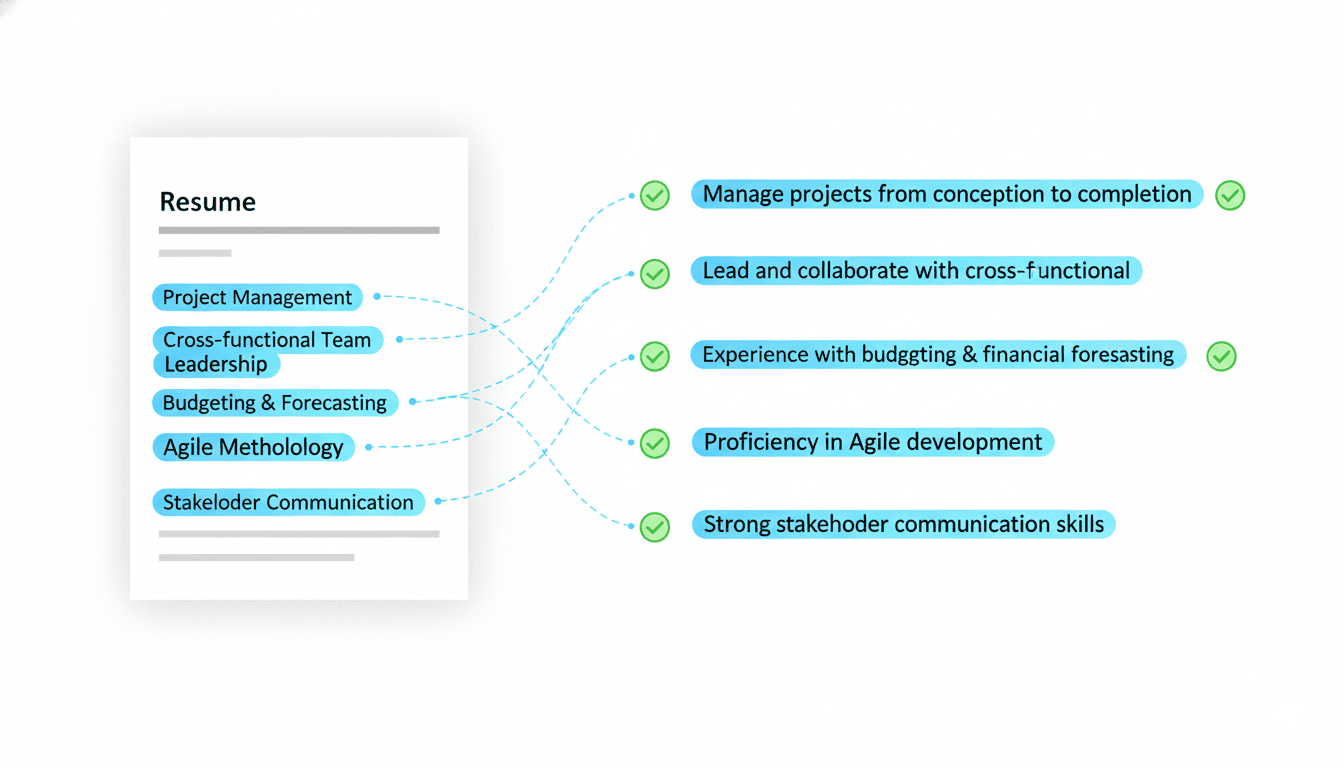
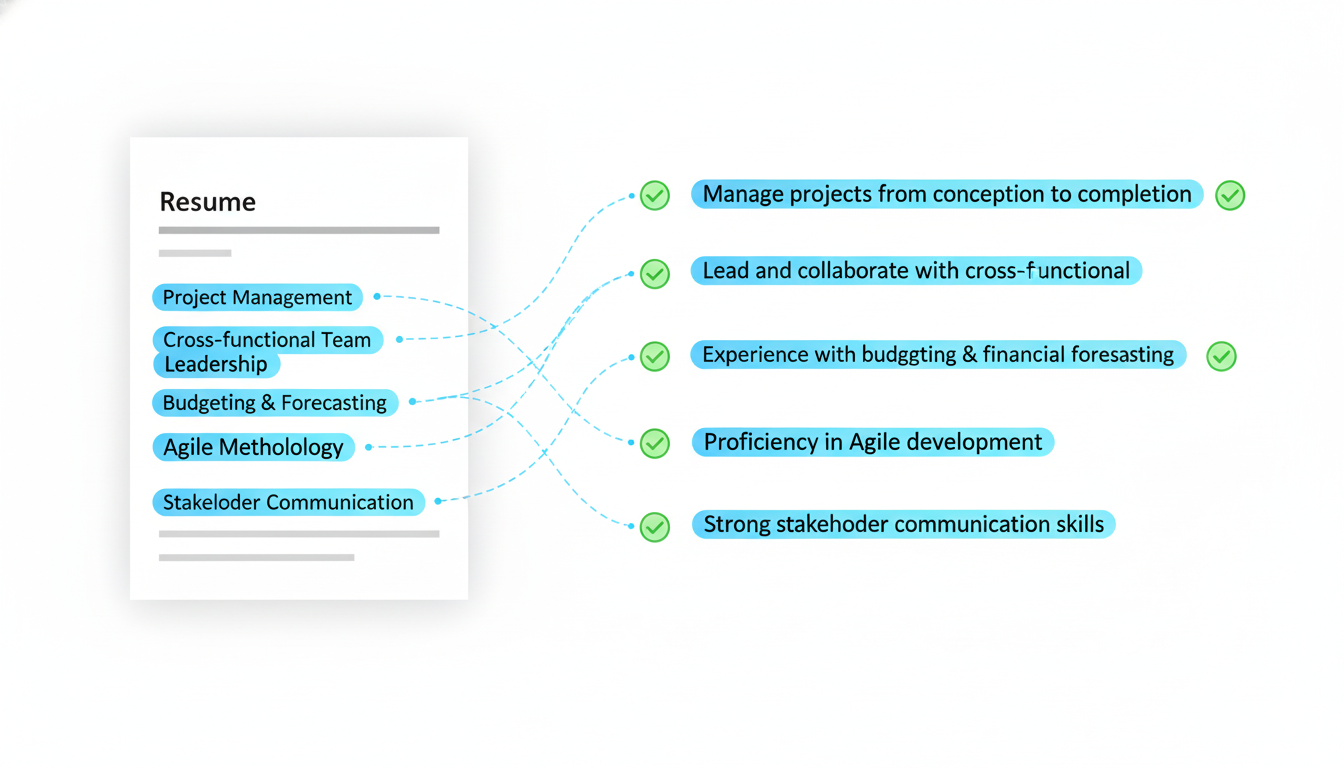
Beating these algorithms isn't about "cheating" or "gaming" the system. It's about Strategic Alignment. You need to present your data in the exact format and semantic structure that the bot is programmed to prioritize. This step-by-step guide walks you through the 2026 technical requirements for defeating the bots using CareerLyft.ai.
The 2026 ATS Landscape: Context is King
In 2026, bots have moved past simple keyword counting. They now use Latent Semantic Indexing (LSI).
- Old Bot: Searches for "Python" (Count: 5).
- 2026 Bot: Searches for "Python" + "Evidence of Scalability" + "Framework Proficiency."
If you have the word "Python" but no metrics or context around it, the bot will give you a "Low Confidence" score.
Technical Step-by-Step: Defeating the Gatekeeper
Step 1: The 'Match-Rate' Audit
Before you apply, you must know your score.
- Copy the Job Description.
- Paste it into the CareerLyft AI Job Analyzer.
- The Tech: The AI identifies the "Must-Haves" (Keywords) and the "Nice-to-Haves" (Contextual modifiers).
- Outcome: You get a % Match Score. If it’s below 80%, do not apply.
Step 2: Semantic Mirroring
Don't just add keywords; Mirror the Language.
- Use the CareerLyft Resume Builder to edit your bullet points.
- The Tech: If the job asks for "Strategic Planning," and your resume says "Long-term Goal Setting," our AI will suggest the swap. In 2026, the bot is programmed to prioritize the exact terminology used in the job post.
- Outcome: You hit the "Exact Match" trigger in the algorithm.
Step 3: Achievement Quantification
The bot is programmed to associate numbers with high-value talent.
- Select any bullet point.
- Hit the Quantifier Wand.
- The Tech: The AI scans for "Vague Success" (e.g., "Improved performance") and helps you convert it into "Metric Success" (e.g., "Boosted system throughput by 22% in 6 months").
- Outcome: You score higher in the "Impact" category of the ranking.
Step 4: The Clean Code Export
Choose an ATS-Verified Template.
- The Tech: CareerLyft templates are built with a Linear Data Structure. This ensures that the bot reads your data in the correct order (Contact Info -> Summary -> Experience -> Skills).
- Outcome: 0% chance of a "Parse Error."
Step 5: The Iterative Refinement
Job hunting in 2026 is a data science project.
- If you don't hear back after 3 applications, use CareerLyft to generate a new semantic version.
- Outcome: You find the exact "Keyword Cluster" that your target industry is currently prioritizing.
Case Study 1: The "Unreadable" Designer
Candidate: Sam, a UX Designer. The Problem: Sam’s resume was a beautiful Figma export. It was a single flat image. The ATS saw a blank page and rejected him in 10 seconds every time. The CareerLyft Fix: Sam moved his data to our "Modern Creative" template. It looked just as good but was 100% text-layered and bot-readable. The Result: He got 3 interviews in 2 weeks. Total cost: $1.99.
Case Study 2: The Junior Sales Rep
Candidate: Maria. The Problem: Maria’s resume was full of "soft skills" (e.g., "Good communicator"). The bot gave her a 20% match score for Sales roles. The CareerLyft Fix: The Achievement Quantifier turned her "Good communication" into "Maintained a 95% client satisfaction rating and exceeded monthly quotas by 15%." The Result: She landed a role at a top SaaS firm.
Case Study 3: The Career Transition (Nursing to Admin)
Candidate: David. The Problem: David’s resume was too medical. The "Admin" bots didn't understand his value. The CareerLyft Fix: We used Semantic Mirroring to turn "Patient Intake" into "Client Data Management and Onboarding." The Result: He bypassed the filter and landed an Admin role.
The Recruiter’s Perspective: "The Dashboard View"
A Recruiting Manager at a Fintech firm shared her screen with us: "When I open my dashboard, I see a list of names with a 'Match Score' next to them. If you're 90%, your name is in green at the top. If you're 40%, you're in red at the bottom. I rarely even scroll down to the reds. CareerLyft resumes are almost always green. They just 'fit' the system's logic."
2026 Market Trends: The Rise of "Automated Shortlisting"
In 2026, the human recruiter doesn't even see the pile until the bot has "Shortlisted" the top 20 candidates.
- The Trend: 75% of Fortune 500 companies now use automated shortlisting.
- The Danger: If you aren't optimized, you are mathematically excluded from the process before it even begins.
Comprehensive FAQ: Beating the Bots
1. Is 'Keyword Stuffing' still effective? No. Modern bots detect unnatural word density and will penalize you. Focus on Semantic Relevance.
2. Can I use a 2-column layout? On CareerLyft.ai, yes—because our columns are engineered to be parsed linearly. On other sites, it's risky.
3. Does the bot read my 'Awards' section? Yes, but it gives them less weight than Work Experience.
4. How do I handle 'Employment Gaps'? The AI suggests "Growth Periods" or "Project-Based" descriptors that keep the bot's confidence score high.
5. What is the most important section for the ATS? The Work Experience section, specifically the first two roles.
6. Can I use emojis? No. Emojis can cause parsing errors in some 2026 ATS models. Stay professional.
7. Does the ATS scan my 'Education' for GPA? For entry-level roles, yes. For senior roles, it usually just checks for "Degree Completion."
8. Is 'No-Account' really safer? Yes. If the site is hacked, your career data isn't on their servers.
9. How many 'Skills' should I list? 15-20 is the "Sweet Spot" for 2026 algorithms.
10. Can I use 'Graphs' or 'Charts'? NO. Most bots cannot read them. Use text and numbers.
11. Should I include my full address? City and State is usually enough for the bot to check "Local Candidate" boxes.
12. Does the bot read 'Objective' statements? No. They are outdated. Use a Professional Summary instead.
13. What if I have multiple job titles for one role? Use the most industry-standard one first, then the internal one in parentheses.
14. Can I use 'Bold' or 'Italic'? Yes. Formatting doesn't affect the bot, but it helps the human.
15. Does the ATS check for 'Spelling'? Yes. A single spelling error in a keyword can make you invisible for that skill.
16. Is 'CareerLyft' safe for Workday? Yes. Workday is our most tested platform.
17. Can I use a photo on my resume? In the US/UK, usually no. In some EU countries, yes. CareerLyft offers both options.
18. What is the 'Achievement Quantifier'? A tool that forces you to add data to your claims, making them "Bot-Provable."
19. Does the ATS scan my 'LinkedIn' link? Yes, it usually follows the link to check for consistency.
20. Why pay $1.99? Because a free tool that doesn't get you past the bot is a waste of your time.
Conclusion: The Final Barrier
The ATS is the final barrier between you and your dream job. Don't leave your career to chance. By following this Step-by-Step Guide and using the specialized tools on CareerLyft.ai, you ensure that your qualifications are decoded correctly and that you rank #1 every time.
Defeat the algorithms and land the interview with CareerLyft.ai today.