

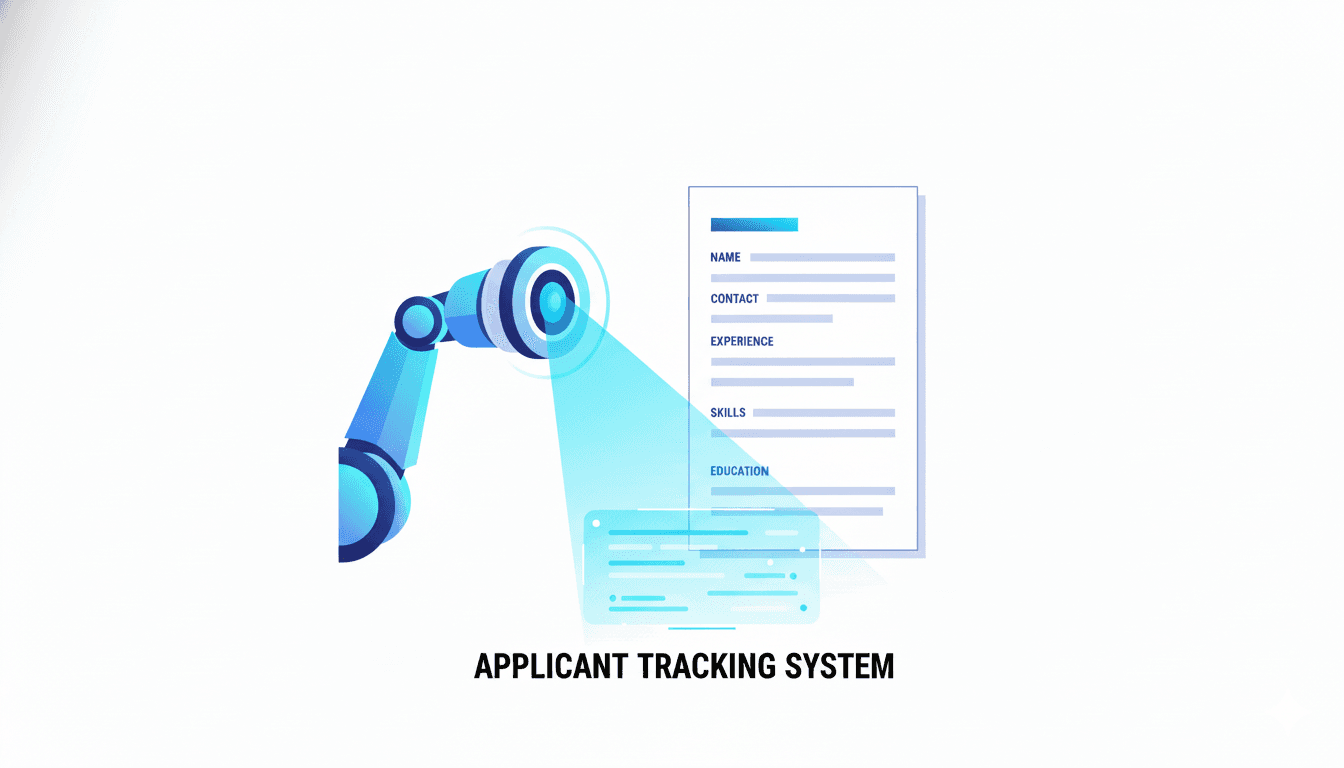
The Applicant Tracking System (ATS) is the bouncer of the corporate world. It is stoic, unfeeling, and strictly follows a set of rules that most candidates never see. In 2026, these systems have evolved from simple keyword counters to complex semantic engines capable of understanding context, gaps, and career trajectory. To beat them, you need more than luck; you need a technical strategy.
At CareerLyft.ai, our $1.99 builder is engineered against the reverse-engineered logic of major ATS platforms like Taleo, Greenhouse, and Lever. Here is the deep dive into how these systems think and how you can outsmart them.
The Core Mechanics of Parsing
When you upload a PDF or DOCX, the ATS doesn't "read" it like a human. It "parses" it. This involves:
- Text Extraction: Stripping away all styling to get raw ASCII or Unicode text.
- Section Segmentation: Identifying where "Experience" ends and "Education" begins.
- Entity Recognition: Tagging specific text as "Skill," "Job Title," "University," or "Date."
If your resume fails at step 1 or 2, step 3 never happens. This is why "creative" resumes fail. A text box in the wrong place can cause the parser to read your experience backwards or miss your contact info entirely.
The "Parser-First" Architecture
CareerLyft templates are built with a "Parser-First" architecture. We prioritize the underlying document object model (DOM) of the file. To the human eye, it looks like a clean, elegant layout. To the ATS robot, it looks like a perfectly ordered stream of data.
Semantic Matching vs. Exact Matching
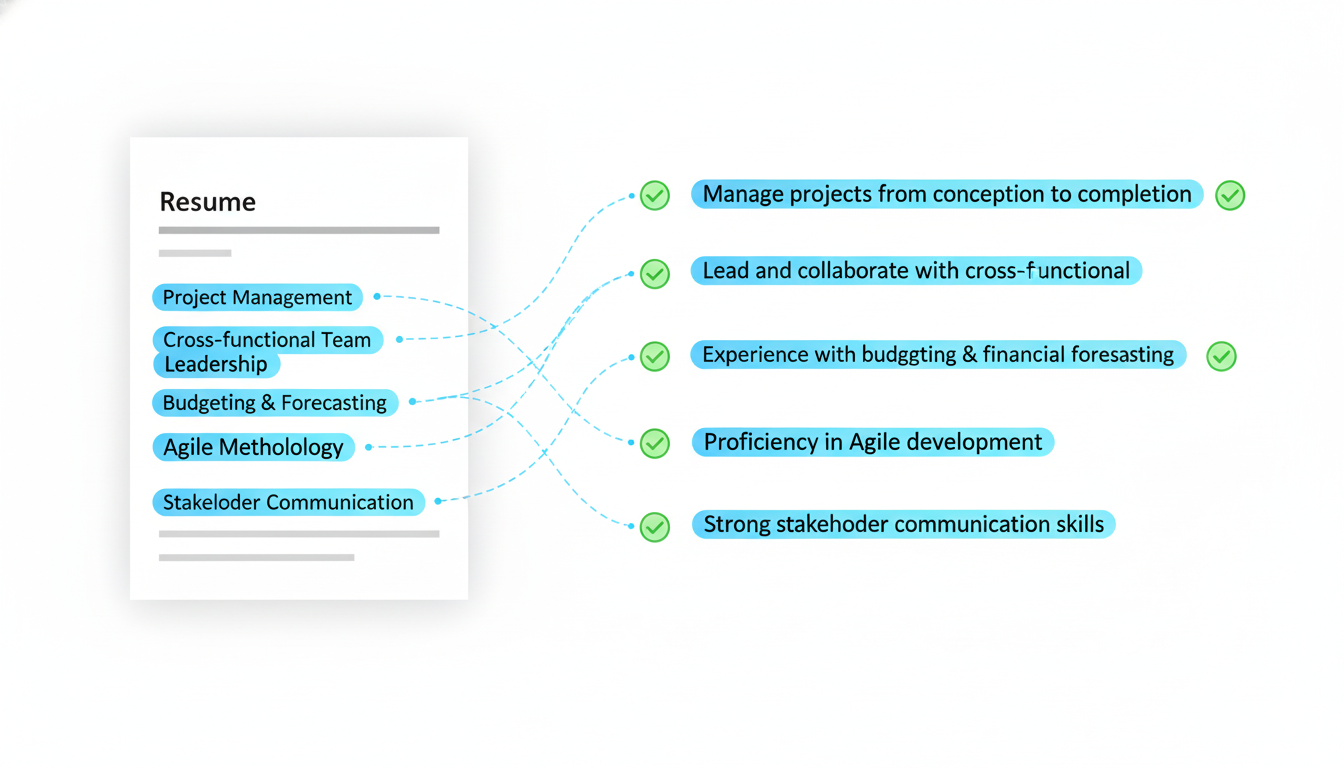
Old ATS systems looked for exact matches. If the job asked for "Project Manager" and you wrote "Project Lead," you might lose points. 2026 ATS systems use Semantic Matching. They understand that "JS" equals "JavaScript" and that "Client Relations" is related to "Account Management."
However, they still prioritize "High-Signal Keywords." These are the specific terms the hiring manager entered as mandatory criteria.
- Low Signal: "Hard worker," "Team player," "Creative."
- High Signal: "Python," "GAAP Accounting," "Six Sigma Black Belt," "React Native."
Our tool analyzes the job description to identify these high-signal terms and guides you to place them in your bullet points—not just in a skills list at the bottom.
The Danger of "Hidden" Text
A common "hack" in the past was to hide keywords in white text so only the bot would see them. Do not do this in 2026. Modern ATS parsers flag "Invisible Text" as a deception indicator. It can result in an automatic rejection or a "fraud flag" on your profile. The only way to win is legitimate optimization, which is exactly what our tool facilitates.
Formatting: The Invisible Code
The way you structure your data matters.
- Dates: Use standard formats (MM/YYYY). "Summer 2024" is ambiguous to a bot.
- Acronyms: Define them once. "Search Engine Optimization (SEO)."
- Tables: Avoid them. Parsers often read tables row-by-row instead of column-by-column, jumbling your skills with your dates.
Scoring and Ranking
Once parsed, you are given a score (e.g., 85%). Recruiters often set a filter: "Show me candidates with a score > 80%." Your goal is to be in that top percentile. CareerLyft’s real-time scoring mimics this logic, giving you a preview of your ATS performance before you hit submit.
Conclusion: Engineering Your Success
You wouldn't write code without a compiler, and you shouldn't write a resume without an optimizer. The ATS is a machine; you need a machine to talk to it effectively. For $1.99, CareerLyft.ai gives you the technical edge to ensure your human story survives the digital filter.