

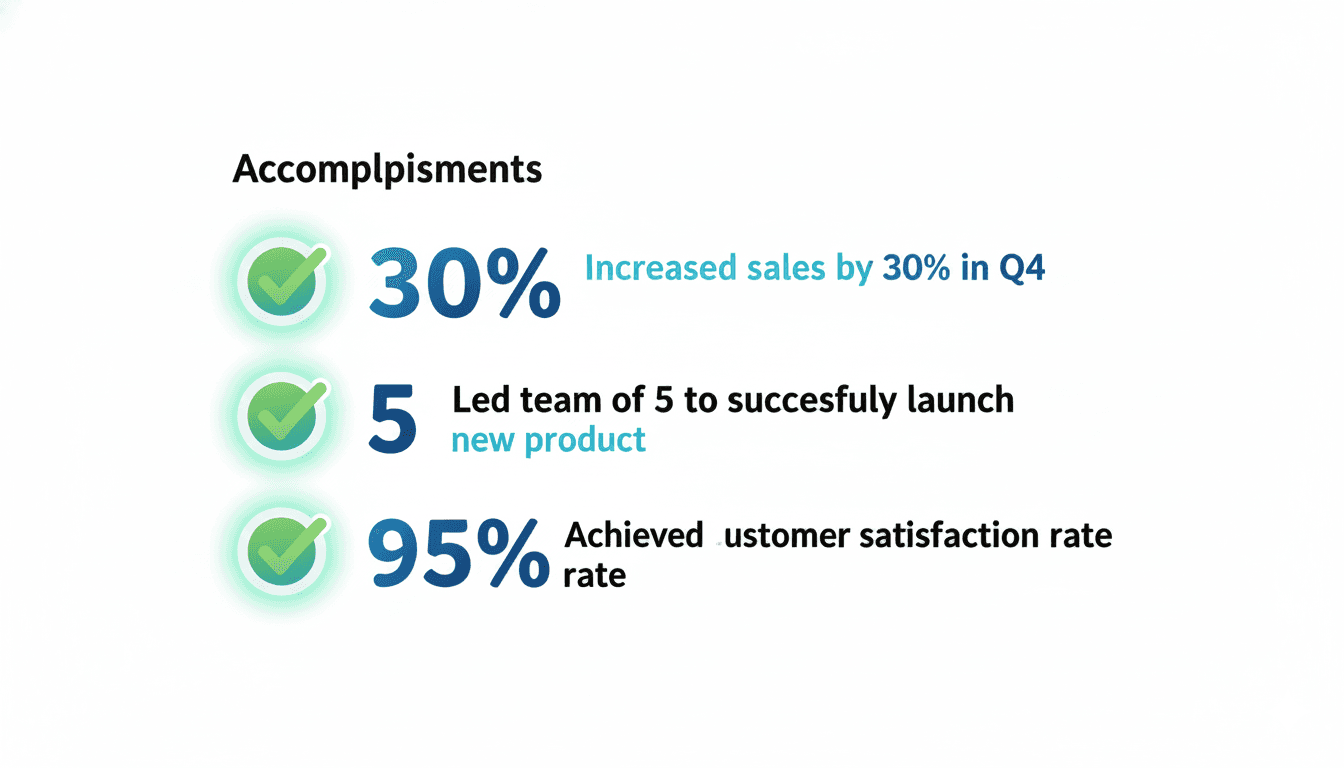
Recruiters do not hire tasks. They hire outcomes. The ATS does not score outcomes, but humans do. That is why quantified bullets are a hidden advantage for job seekers using a cheap resume builder. When you add metrics, your resume becomes credible, memorable, and interview worthy.
This guide shows how to turn bland bullets into measurable impact statements, even if you think you do not have numbers. You will learn simple formulas, metric ideas, and long tail keyword placement that boosts both ATS match scores and recruiter trust.
Why Metrics Matter More Than Ever
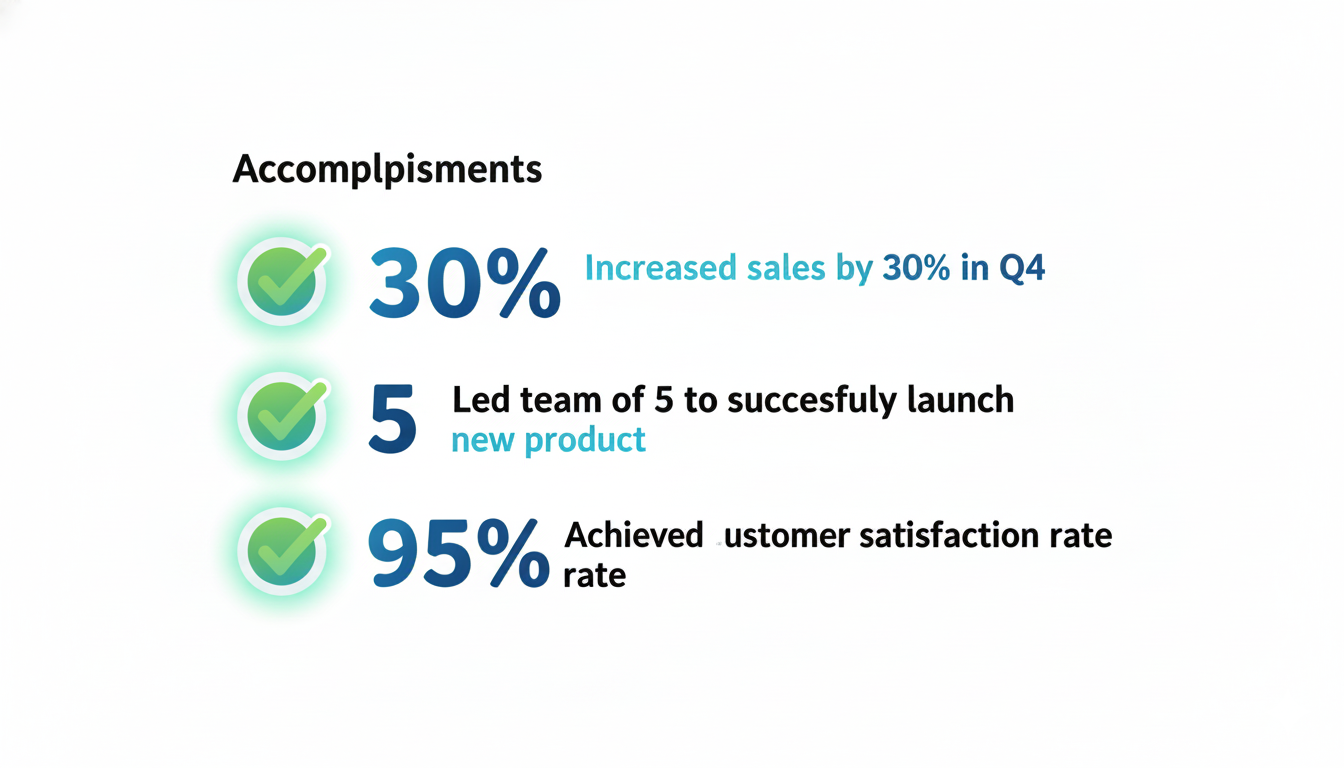
The job market in 2026 is fast. Recruiters scan resumes quickly. Metrics create instant clarity. They show scope, scale, and results.
A bullet without numbers looks like a responsibility. A bullet with numbers looks like an outcome.
The Metrics Formula
Use this formula for every bullet:
- Action verb + keyword phrase + measurable impact
Examples:
- Built SQL dashboards for funnel analysis, reducing weekly reporting time by 35 percent.
- Led lifecycle campaigns using segmentation and A B testing, improving activation by 12 percent.
- Streamlined onboarding workflows and reduced training time by 20 percent.
These bullets combine keywords and proof.
Types of Metrics You Can Use
You do not need revenue numbers to show impact. Use any measurable change.
Metric categories:
- Time: reduced processing time, shortened cycle time
- Volume: handled X tickets, processed Y requests
- Quality: reduced error rate, improved accuracy
- Efficiency: automated tasks, reduced steps
- Growth: increased sign ups, improved conversion
- Cost: lowered expenses, reduced waste
Pick the metric that fits your role and be consistent.
How to Estimate Metrics Without Lying
If you do not have exact numbers, use realistic ranges or percentages based on your experience. The key is honesty.
Examples:
- Reduced report creation time by about 30 percent
- Managed a portfolio of 15 to 20 accounts
- Improved response time by roughly 25 percent
These estimates are acceptable when they reflect reality.
Metrics That Align With Long Tail Keywords
Long tail keywords improve ATS relevance. Combine them with metrics for stronger impact.
Examples:
- Remote team onboarding efficiency improved by 20 percent
- Cross functional stakeholder reporting cadence reduced by 30 percent
- B2B pipeline conversion increased by 8 percent
- Customer retention analysis improved by 15 percent
These phrases signal both relevance and results.
Where Metrics Should Appear
Metrics are most powerful in these sections:
- First two bullets in your most recent role
- Project section if you are early career
- Summary if you have a standout result
Place them where recruiters will see them quickly.
Summary Metrics That Create Instant Credibility
If you have a strong result, place one metric in your summary.
Example:
Operations Analyst with expertise in workflow optimization and KPI reporting. Reduced processing time by 25 percent through automation and dashboarding. Known for cross functional collaboration and clear communication.
This format makes your value obvious in seconds.
Skills Section and Metrics
Your skills section does not need numbers, but it should align with your quantified bullets. If you mention SQL and dashboarding in a bullet, make sure those terms appear in the skills section.
This creates keyword consistency that helps the ATS.
Common Metrics by Role Type
Use role specific metrics to make your resume feel targeted.
Marketing:
- Conversion rate
- CAC and LTV
- Email open rate
- Paid media ROI
Operations:
- Cycle time
- Cost reduction
- Error rate
- Throughput
Customer success:
- Retention rate
- Churn reduction
- NPS improvement
- Ticket resolution time
Analytics:
- Reporting speed
- Accuracy improvements
- Dashboard adoption
- Model performance
Use the metrics that match your field.
Cheap Resume Builder Formatting for Metrics
Formatting should not distract from your numbers. Use:
- One line bullets when possible
- Bold only the metric if you want emphasis
- Clean spacing for easy scanning
Avoid symbols or icons that can confuse the ATS.
The ATS Does Not Score Metrics, But Recruiters Do
ATS systems focus on keywords. Recruiters focus on outcomes. When you combine keywords and metrics, you win both audiences.
This is why metrics are the fastest way to upgrade a cheap resume builder output.
How to Collect Metrics From Past Roles
Use these sources:
- Performance reviews
- Project reports
- Dashboards or analytics tools
- Team goals and OKRs
- Email summaries or presentations
Even if you do not have exact numbers, you can estimate based on these references.
Metrics for Students and Career Changers
If you are early career or pivoting, use project and coursework metrics.
Examples:
- Built a dashboard that reduced report build time by 40 percent in a capstone project.
- Analyzed survey data and improved response accuracy by 18 percent.
- Led a team project that delivered results two weeks ahead of schedule.
These numbers prove capability even without full time work experience.
Pair Metrics With a Clean Keyword Strategy
Metrics are strongest when paired with keywords. Use the keyword approach from Essential Keywords for Resume Success in 2026 and place those terms in your metrics bullets.
This creates both ATS relevance and human impact.
Use a Cheap Resume Builder the Right Way
A low cost builder gives you structure. Your job is to add content quality. If you need a fast workflow, CareerLyft provides ATS friendly templates that make it easy to place metrics and keywords in the right sections.