

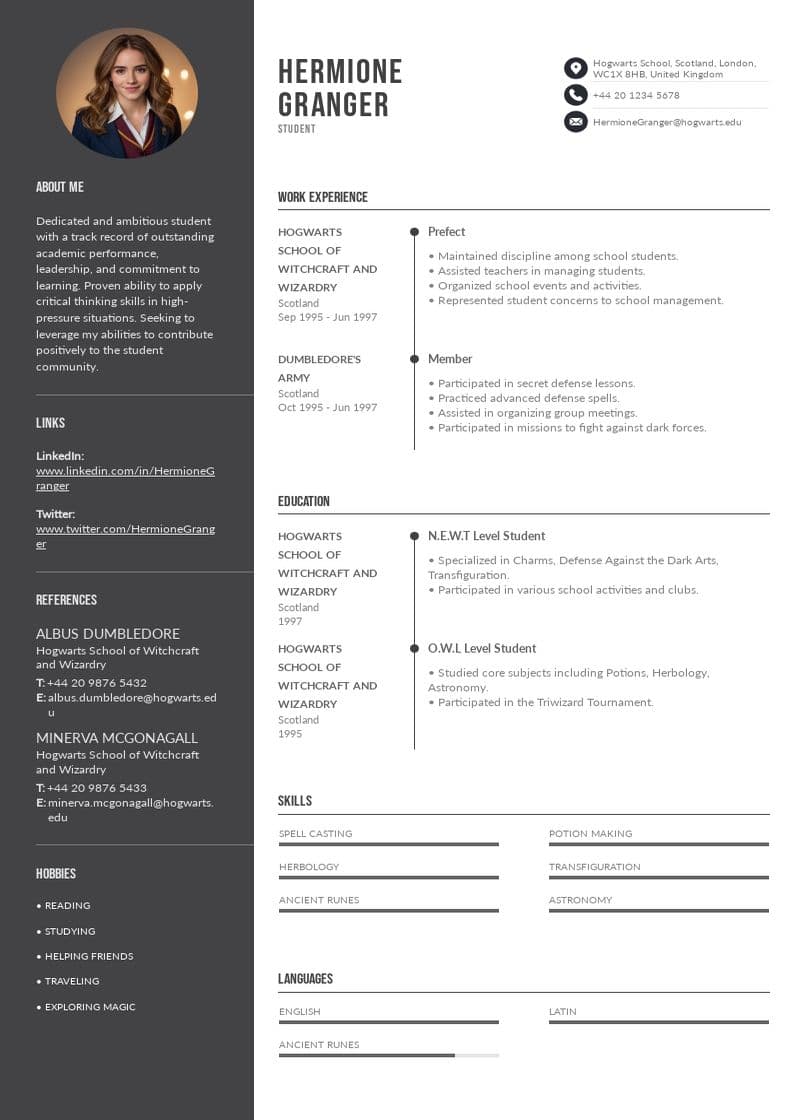
In today's hyper-competitive job market, landing an interview is often less about impressing a hiring manager and more about satisfying an algorithm. Statistics show that nearly 75% of resumes are rejected by Applicant Tracking Systems (ATS) before they ever reach a human eye. This staggering reality highlights the critical importance of optimizing your resume for these digital gatekeepers. If you aren't writing for the robot first, the human will never see it.
What is an ATS and How Does it Work?
An Applicant Tracking System (ATS) is a software application used by employers to manage the recruitment process. It acts as a filter, scanning thousands of resumes to identify the most relevant candidates. The system parses your document, stripping away formatting to analyze the raw text. It looks for specific matches:
- Keywords: Does the resume contain the specific hard and soft skills listed in the job description?
- Job Titles: Have you held roles similar to the one you are applying for?
- Education: Do you meet the degree requirements?
- Frequency: How often do relevant terms appear?
If your "match score" falls below a certain threshold—often set arbitrarily by the recruiter—your application is automatically archived.
Common ATS Pitfalls
Many qualified candidates fail not because of a lack of skills, but because of poor formatting that confuses the parser. Common issues include:
- Tables and Columns: While they look good to the human eye, older ATS parsers often read straight across the page, jumbling text from different columns into incoherent sentences.
- Headers and Footers: Information placed here (like contact details) is frequently ignored by parsing software.
- Graphics and Images: Logos, headshots, and icons are unreadable to most systems and can cause the entire document to be rejected.
How AI Can Help You Beat the System
AI-powered resume builders are designed specifically to decode and navigate these algorithms. By analyzing thousands of job descriptions and successful resumes, they offer a data-driven advantage:
1. Smart Keyword Integration
AI tools can scan the job description you are targeting and compare it to your resume. They instantly identify missing keywords—for example, suggesting you change "Customer Service" to "Client Relationship Management" if that is what the specific ad requires. This "semantic matching" is crucial for boosting your ATS score.
2. ATS-Friendly Formatting
AI resume builders use templates that are pre-tested against major ATS platforms (like Taleo, Greenhouse, and Lever). They ensure the underlying code of the PDF or Word doc is clean, structured, and easily parsed, preventing technical disqualification.
3. Tailored Content Generation
Instead of a generic summary, AI can help you craft a profile that hits all the high-value points the specific employer is looking for. It can rewrite your bullet points to focus on achievements rather than duties, using the specific action verbs that the ATS is programmed to value.
Stop guessing and start using data-driven tools. By leveraging AI solutions like CareerLyft, you turn the tables on the recruitment software, ensuring your resume passes the digital gatekeeper and lands on the desk of a human decision-maker.