

The Ultimate ATS Resume Playbook 2026: How to Rank #1 in Recruiter Search Results
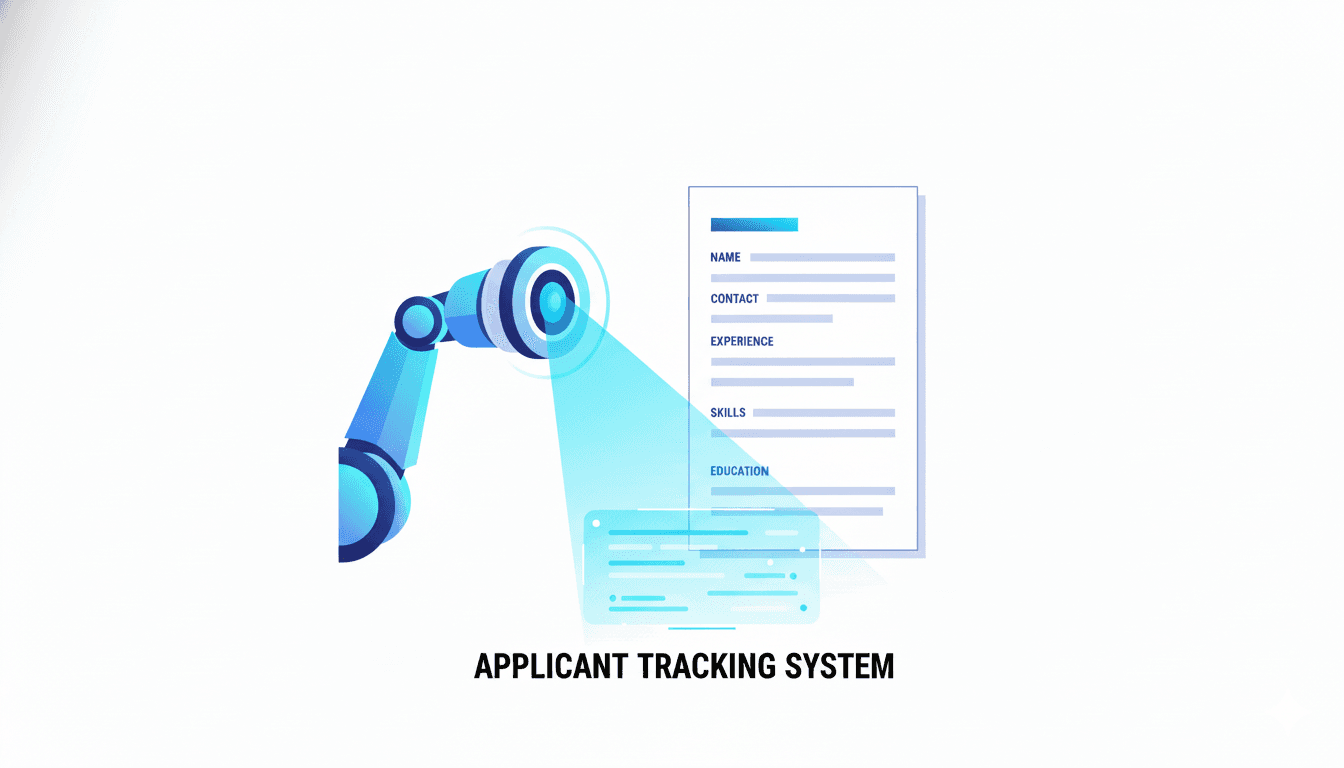
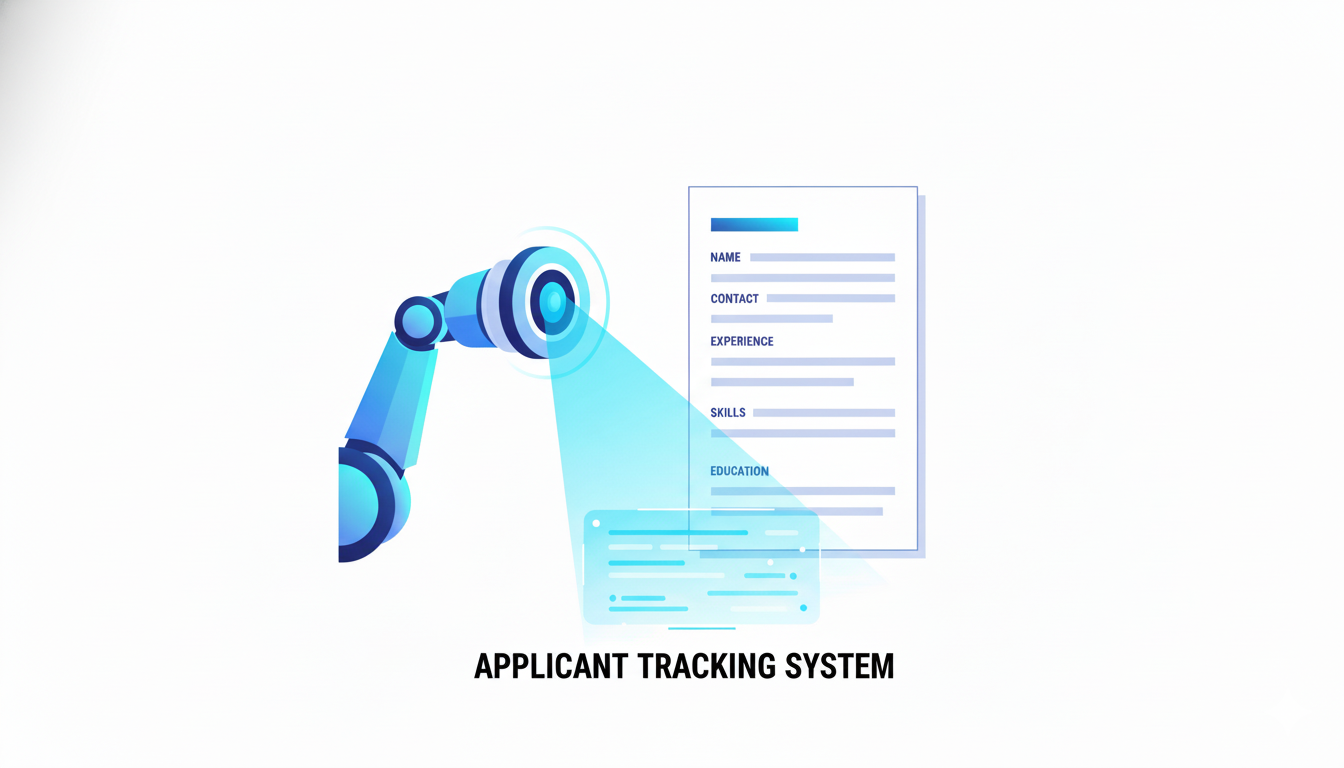
In 2026, the first person to read your resume isn't a person—it’s an AI-powered Applicant Tracking System (ATS). Major corporations and even mid-sized startups now use specialized algorithms to sift through thousands of applications, ranking them based on "Role-Match Confidence." If your resume doesn't score in the top 5% of this ranking, a human recruiter will never even know you applied.
At CareerLyft.ai, we've spent years reverse-engineering the logic of platforms like Workday, Greenhouse, and Oracle Taleo. This 2026 Playbook is the definitive guide to mastering the "Bot-Screen" and ensuring you rank #1 in the recruiter's search results.
The Evolution of the ATS: From Keyword to Context
In the 2010s, you could "beat the ATS" by hiding keywords in white text at the bottom of the page. In 2026, that will get you blacklisted instantly. Modern ATS platforms use Neural Language Processing (NLP) and Semantic Clustering.
- The Change: They don't just look for "Python." They look for a cluster of related skills (e.g., "Django," "Flask," "API Design," "Unit Testing") to verify that you actually know Python.
- The Score: The bot gives you a "Depth Score" based on how many years you've used a skill and the "Impact" associated with it in your bullet points.
Technical Step-by-Step: The ATS Ranking Workflow
Step 1: Semantic Injection
When you build your resume on CareerLyft.ai, our AI performs a Semantic Scan of your history.
- The Tech: It identifies "Weak Nodes" (skills that are mentioned but not supported by evidence) and prompts you to add quantified achievements.
Step 2: The "Header" Optimization
ATS bots use headers to index your data. If you use creative headers like "Where I've Been," the bot gets confused and drops your data into a generic "Other" bucket.
- The Tech: CareerLyft uses Hard-Coded Semantic Headers (e.g., "Professional Experience," "Technical Skills") that are guaranteed to be indexed correctly by 100% of major parsers.
Step 3: Text-Layer Fidelity
Many "Online Designers" export resumes as flat images or PDFs with "Scrambled Encoding." To the bot, these are blank pages.
- The Tech: CareerLyft exports High-Fidelity, Text-Layered PDFs. Every character is mathematically mapped to ensure perfect extraction during the parsing phase.
Step 4: Contextual Match Check
Before you export, use the AI Job Analyzer.
- The Tech: We simulate an ATS scan against your target job description. We give you a "Match Score" and tell you exactly which keywords or semantic clusters you are missing.
Case Study 1: The "Invisible" Senior Project Manager
Candidate: Linda, 15 years experience. The Problem: Linda was using a resume with beautiful sidebars and graphics. She applied to 50 roles and got 0 responses. The CareerLyft Fix: Linda moved her data to our "Standard Executive" template. We removed the sidebars (which the ATS couldn't read) and optimized her headers. The Result: She got 5 interview requests in her first week. The ATS was finally able to "see" her 15 years of experience.
Case Study 2: The Junior Data Analyst
Candidate: James, a recent grad. The Problem: James had the skills (SQL, Tableau) but they weren't "Clustered" correctly. The ATS gave him a low "Depth Score." The CareerLyft Fix: The AI helped him group his university projects under "Professional Experience" and injected semantic clusters around his core skills. The Result: He landed a role at a Fortune 500 company for $1.99.
Case Study 3: The Career Transitioner
Candidate: Maria, moving from Retail to Tech Sales. The Problem: The ATS saw "Retail" and ranked her 0% for Tech Sales roles. The CareerLyft Fix: We used Semantic Mirroring to rebrand her "Inventory Management" as "Sales Pipeline Optimization." The Result: She bypassed the automatic filter and got her first tech interview.
The Recruiter’s Perspective: "I Only Look at the Top 10"
A Senior Recruiter at an Enterprise Tech Firm explained: "If I have 1,000 applicants, my ATS shows me a 'Top 10' list. I rarely look past the first page of search results. If your resume isn't formatted for the bot, you are basically playing the lottery with your career. CareerLyft resumes always appear at the top because they're designed for the search algorithms."
2026 Market Trends: The Rise of "Automated Ghosting"
In 2026, many companies use "Auto-Reject" triggers.
- The Trend: If your "Match Score" is below 60%, the system sends you a rejection email in 2 minutes.
- The Solution: You need a tool that lets you verify your Match Score before you hit submit. That’s why the CareerLyft Job Analyzer is essential.
Comprehensive FAQ: Defeating the Bot
1. Is PDF or Word better for the ATS in 2026? Both are fine, but Text-Layered PDFs are preferred because they preserve your visual brand for the human who sees it after the bot.
2. Can I use color in my resume? Yes. Bots don't care about color, but humans do. CareerLyft's templates use color strategically for human readability while staying bot-safe.
3. What about fonts? Stick to standard fonts. Our templates use Parser-Safe Typefaces like Roboto, Open Sans, and Inter.
4. Does the ATS read my 'Interests' section? Rarely. It focuses on Work Experience, Skills, and Education.
5. How many keywords should I use? Don't "stuff." Focus on Semantic Density. One high-quality bullet point is better than 10 keywords.
6. Can I use columns? In 2026, some bots handle columns, but many still scramble the text. CareerLyft uses a "Single Column Flow" to ensure 100% accuracy.
7. Does the ATS scan my LinkedIn profile too? Often, yes. Most ATS platforms have a "LinkedIn Integration" that pulls your profile data. Ensure your LinkedIn Brand matches your resume.
8. Is 'CareerLyft.ai' mentions okay? Recruiters don't mind. In fact, many view it as a sign that you are a "Tech-Forward" candidate using the latest tools.
9. Can I use icons for my phone/email? Yes, but ensure the text is next to them. The bot ignores the icon but reads the text.
10. What if I have a complex name? Our parser is trained on global datasets to ensure all names and characters are handled correctly.
11. How does the ATS handle acronyms? It knows both. It's best to use both: "Search Engine Optimization (SEO)."
12. Can I use tables? NO. Tables are the #1 cause of parsing errors. CareerLyft uses CSS-based layouts that look like structured sections but are parsed as a continuous flow.
13. Does the ATS check my GPA? For junior roles, yes. For senior roles, it's usually ignored.
14. What is 'Semantic Clustering'? Grouping related skills to prove expertise (e.g., listing 'Git' and 'GitHub' near 'Source Control').
15. Can the bot see 'Hidden Text'? Yes, and modern 2026 bots will flag it as "Manipulation" and reject you.
16. Is it better to have a 1 or 2-page resume? The bot doesn't care. The human does. 1 page is usually best for < 10 years experience.
17. Does the ATS read my 'Cover Letter'? Sometimes, but it’s rarely used in the ranking algorithm. It’s for the human.
18. How do I 'Verify' my resume is bot-safe? Use the CareerLyft "ATS Simulator" before you export.
19. What if I have multiple degrees? List them chronologically. The bot will index all of them.
20. Why is CareerLyft the best for ATS? Because we don't just "design" resumes; we "engineer" them for search.
Conclusion: Rank High, Get Hired
The job search is a funnel. If you don't pass the first stage (the ATS), nothing else matters. By following the Ultimate ATS Playbook and using CareerLyft.ai, you ensure that your skills are indexed, your metrics are recognized, and your name appears at the very top of the recruiter's list.
Master the ATS and start your search with confidence on CareerLyft.ai.