

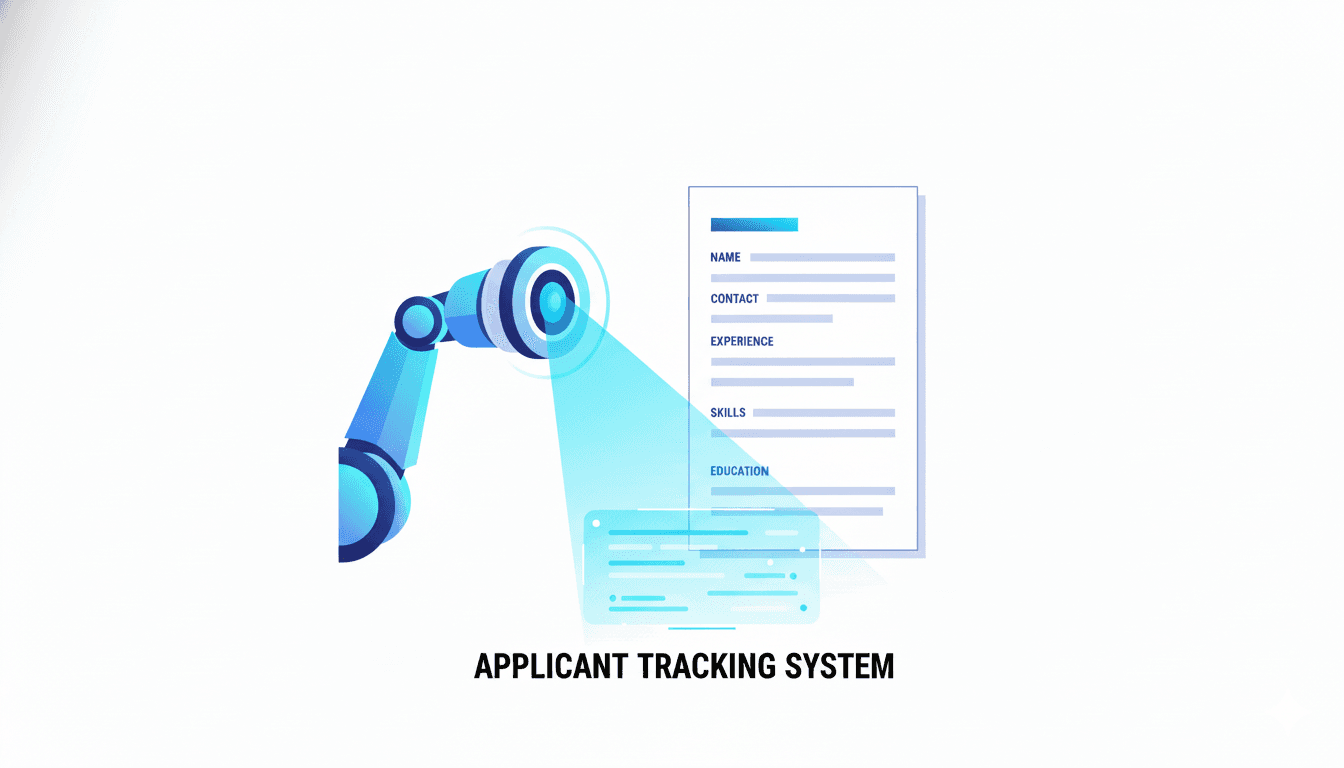
The modern resume is not a document first. It is a dataset first. When you apply for a role, your resume is parsed, indexed, and scored by software before any recruiter sees it. That software is the Applicant Tracking System (ATS). If the ATS cannot read your resume, or if the keywords do not match the job description, you do not move forward. That is the reality in 2026.
At the same time, job seekers are tired of endless subscriptions. You want a system you can purchase once and use whenever you need it. The good news is that a one-time purchase resume builder can still deliver ATS compatibility, keyword depth, and a clean, modern format. You just need the right playbook.
This guide breaks down exactly how to build an ATS-compatible resume with a one-time purchase workflow. It is content rich, keyword rich, and practical. Use it to create a resume that gets parsed, ranked, and read.
What ATS-Compatible Actually Means in 2026
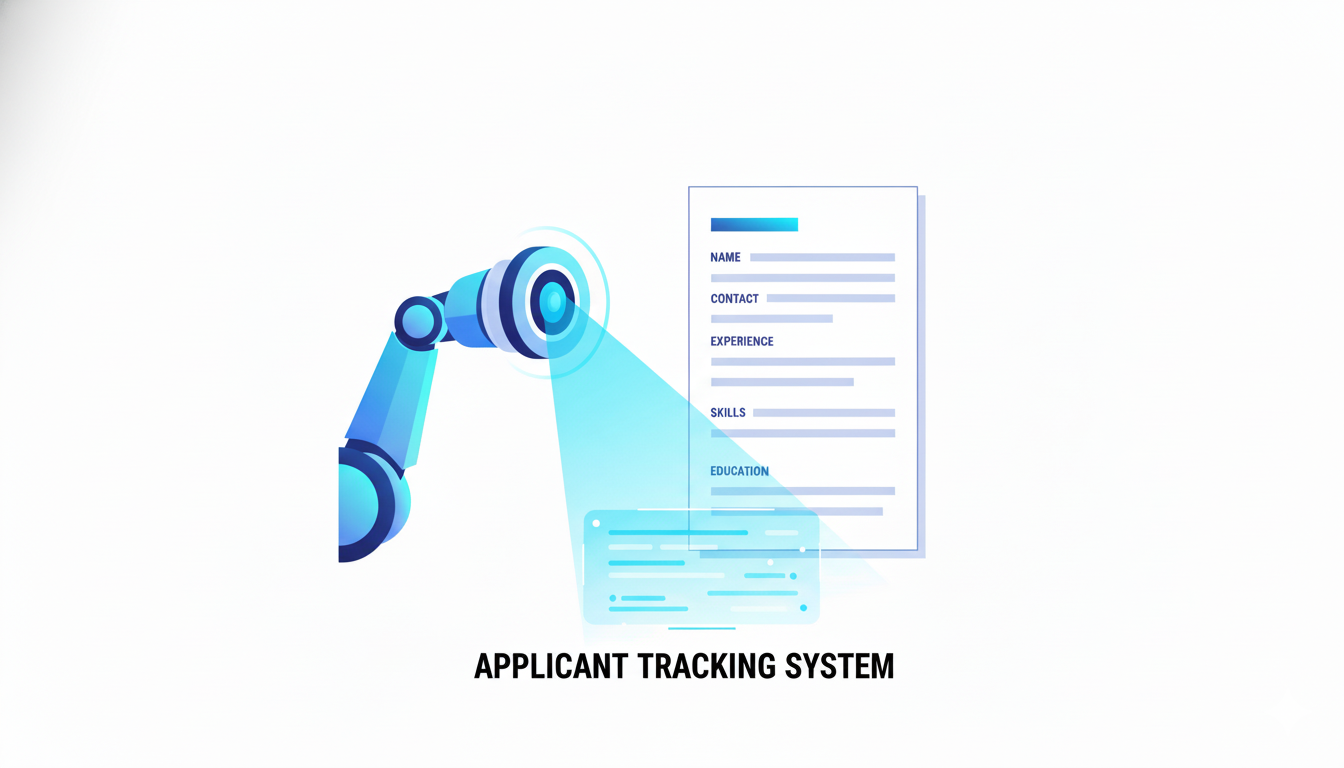
ATS compatibility is not a marketing buzzword. It is a technical standard. Your resume must be machine readable and semantically structured so the system can identify your name, contact data, job titles, dates, skills, and outcomes. If the parser fails, the ATS cannot score you correctly.
In practical terms, ATS compatible means your resume is built on simple, predictable patterns.
- A single column layout
- Standard section headings like Summary, Skills, Experience, Education
- Clear date formatting
- Plain text that avoids complex shapes and embedded images
- Consistent job titles and company names
If your resume looks clean to a human, it is often compatible, but not always. Some templates still hide content in text boxes or tables. The safest approach is to use a structured template that is designed for ATS parsing and then layer in strong content.
Why a One-Time Purchase Resume Builder Is a Smart Strategy
Subscription tools can be useful, but they create a new problem. Your resume is an asset you should own and control, not rent. A one-time purchase resume builder gives you predictable cost, permanent access to your files, and freedom to update on your schedule.
The key is to build a system that outlives a single job search. A strong one-time purchase workflow lets you:
- Maintain a master resume with your full history
- Generate role specific versions quickly
- Keep your templates and formatting consistent
- Update your content without paying again
Ownership also matters for confidence. When you control your resume, you control your career narrative. That is the foundation of ATS success.
Start With a Keyword Strategy That Mirrors the Job Market
Keywords are the bridge between your experience and the ATS score. A resume without the right keywords is invisible. A resume with scattered, irrelevant keywords is noisy. The goal is precise alignment.
Use the same keyword logic you see in the high-performing post on this site, and then expand it. The flow is simple:
- Extract the exact skills and responsibilities from the job description
- Group them into keyword clusters by function
- Mirror those keywords in your summary, skills, and experience
If you need a deeper primer, review the keyword guide here: Essential Keywords for Resume Success in 2026. Then come back and apply the steps below.
Build a Keyword Inventory
Create a plain list of every repeated term in the job description. Do not summarize. Keep the exact language. Then categorize the keywords into four buckets:
- Role titles and seniority phrases
- Hard skills and tools
- Soft skills and leadership traits
- Business outcomes and metrics
Your resume should reflect every bucket. ATS systems often score across categories, not just tools.
Map Keywords to Sections
ATS systems scan by section. The most important keywords should appear early and often, but in a natural way. Place the top five in your Summary and Skills sections, then reinforce them in your Experience bullets.
Do not copy and paste the job description. Instead, write about your own work using the same terms. This makes the resume both readable to humans and aligned for ATS.
Use ATS-Safe Formatting That Never Breaks Parsing
Formatting can quietly sabotage your application. Avoid the following elements that still break parsing in many systems:
- Multi column layouts
- Text inside shapes
- Icons next to contact info
- Tables and hidden borders
- Complex headers or footers
A one-time purchase resume template should be simple and stable. If you want visual polish, use spacing, bold headings, and clean typography. Keep it minimal and consistent.
For fonts, stay with ATS-safe options like Arial, Calibri, or Times New Roman. If your builder allows it, choose a clear and modern font with strong readability. The ATS does not care about style, but recruiters do, so balance both.
The ATS-Compatible Resume Structure That Works Every Time
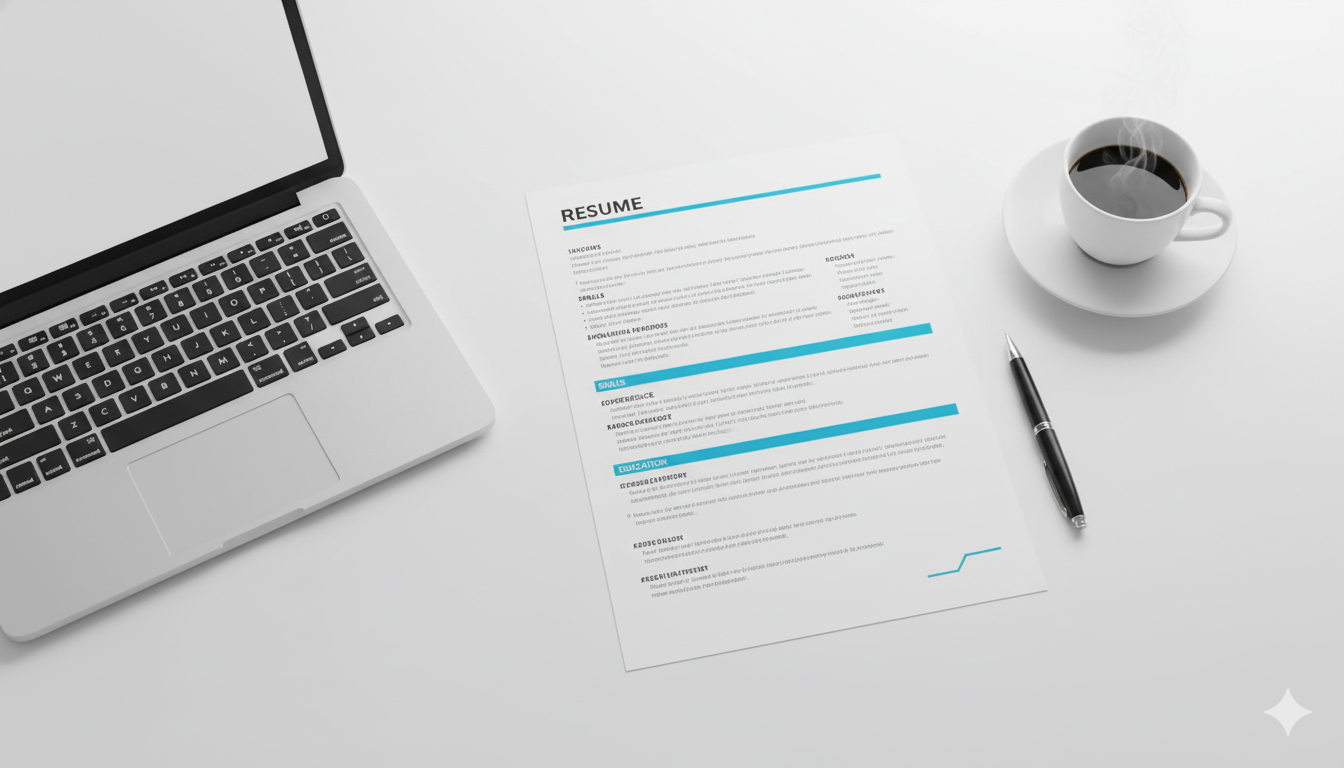
A reliable resume structure helps the ATS identify your information and helps the recruiter scan quickly. Keep your order simple.
- Header with name, location, phone, email, and LinkedIn
- Summary that uses role aligned keywords
- Skills section with grouped tools and capabilities
- Experience section with bullets focused on outcomes
- Education and certifications
You can include optional sections like Projects or Awards, but only if they add relevant keywords. The ATS should not be forced to guess where your experience lives.
Write a Summary That Signals Role Fit
Your summary should be a tight 3 to 5 lines. This is where you front load the role title, your top skills, and the business outcomes you deliver. You are not telling your life story. You are telling the ATS what you match.
A summary formula that works:
- Role title and specialization
- 2 to 3 core tools or domains
- 1 to 2 outcomes with numbers
- A leadership or collaboration signal
Example summary format:
Senior Marketing Analyst with expertise in lifecycle analytics, funnel optimization, and SQL-based reporting. Delivered revenue lift through segmentation and experimentation, improving conversion rates and retention. Known for cross functional collaboration and clean reporting frameworks.
Use your own details, but keep the structure. This is a keyword dense zone, and it sets the tone for the ATS.
Build a Skills Section That Looks Like the Job Description
ATS systems often score the skills section heavily. The problem is many resumes list generic skills without relevance. A strong skills section mirrors the role.
Create two or three grouped lists, each on one line, with commas. Examples:
- Data and Analytics: SQL, Python, Tableau, experimentation design, dashboarding
- Marketing and Growth: lifecycle campaigns, segmentation, funnel analysis, attribution
- Collaboration: stakeholder management, cross functional alignment, agile workflow
This format is simple and parseable. It also makes the keywords obvious to the ATS and to a recruiter.
Experience Bullets That Combine Keywords and Results
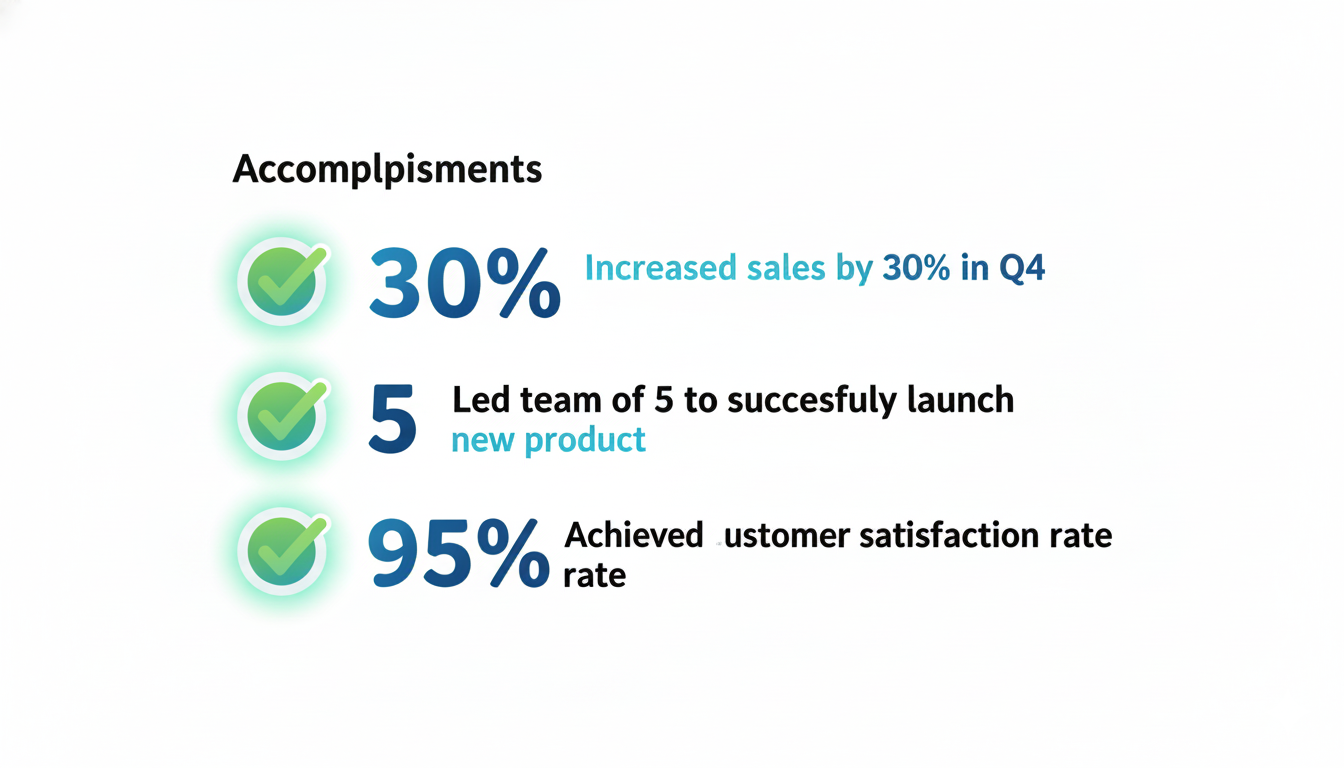
The experience section is where many resumes fail. They list tasks, not outcomes. ATS systems want both tasks and keywords. Humans want results.
Each bullet should include three parts:
- A strong action verb
- A keyword from the job description
- A measurable impact
Example bullet pattern:
- Built SQL dashboards to track funnel conversion, improving weekly reporting speed by 40 percent and enabling faster campaign iteration.
Keep the bullets short and quantified. If you do not have exact numbers, use ranges or realistic estimates, but make sure they are accurate.
If you need a deeper method, review How to Quantify Your Accomplishments on Your Resume.
The One-Time Purchase Tailoring Workflow
You can own your resume and still tailor it fast. The workflow looks like this:
- Maintain a master resume with every role and project
- For each application, duplicate the master and trim to the most relevant experience
- Update the summary and skills to match the role
- Swap keywords in the top bullets to align with the job description
A one-time purchase resume builder should allow you to create and save multiple versions. This is how you scale a job search without a subscription.
A simple target is one version per role family. For example, a data analyst resume, a product analytics resume, and a marketing analytics resume. This creates speed without sacrificing relevance.
Keyword Density Without Keyword Stuffing
Keyword stuffing is real, and it hurts. ATS systems and recruiters can both detect unnatural repetition. The goal is balanced density.
A practical rule is to include the highest value keywords in these places:
- Summary
- Skills section
- First two experience bullets
- Project or certification if relevant
Use the exact phrases from the job description, but not more than once in a single bullet unless the role requires it. If the job says Customer Journey Mapping, include that exact phrase, but do not repeat it three times.
Common ATS Errors to Avoid in 2026
Even strong resumes get blocked for simple mistakes. Avoid these issues:
- Saving as a scanned PDF
- Using headers and footers for contact info
- Writing job titles that are not aligned with common role names
- Skipping the Skills section entirely
- Using excessive design elements like icons and charts
These errors are easy to fix and can increase your ATS score quickly.
The One-Time Purchase Resume Checklist
Before you apply, run your resume through a checklist. It keeps quality high and reduces rejections.
- Does the resume use a single column layout
- Are section headings standard and clear
- Does the summary include the role title and top keywords
- Does the skills section mirror the job description
- Do the first two bullets include measurable outcomes
- Is the file saved as a clean PDF or DOCX
- Is the file name clear and professional

How to Handle Career Gaps and Transitions
ATS systems can be blunt. If you have gaps or role changes, you need to explain them without hurting your keyword strategy.
Add a short line in your summary or experience that frames the transition. Example:
- Career transition into data analytics with recent certification and project portfolio focused on SQL, Tableau, and experimentation.
This keeps the keywords present and reduces confusion for both ATS and recruiters.
Use Internal Links to Support Your Job Search
Your resume is only one piece of the funnel. Use the blog resources to fill gaps quickly. These posts support ATS outcomes:
- Ultimate Guide to Beating ATS
- How to Use Keywords to Beat the Resume Bots
- The Ultimate Resume Checklist
A one-time purchase resume builder works best when you pair it with a repeatable content strategy and consistent updates.
Final Thoughts: Own the Resume, Own the Outcome
ATS compatibility is about respect for how hiring systems work. A one-time purchase resume builder can absolutely deliver that. The difference is in the method. When you build around keywords, structure, and clear outcomes, your resume becomes readable by both machines and humans.
You do not need a subscription to be competitive. You need a disciplined workflow, a clear understanding of ATS rules, and a resume that mirrors the job description with real evidence.
If you want a fast path, use CareerLyft to generate a clean ATS template, tailor it once, and reuse it across your job search. Then refine it with each application. That is the 2026 playbook.