


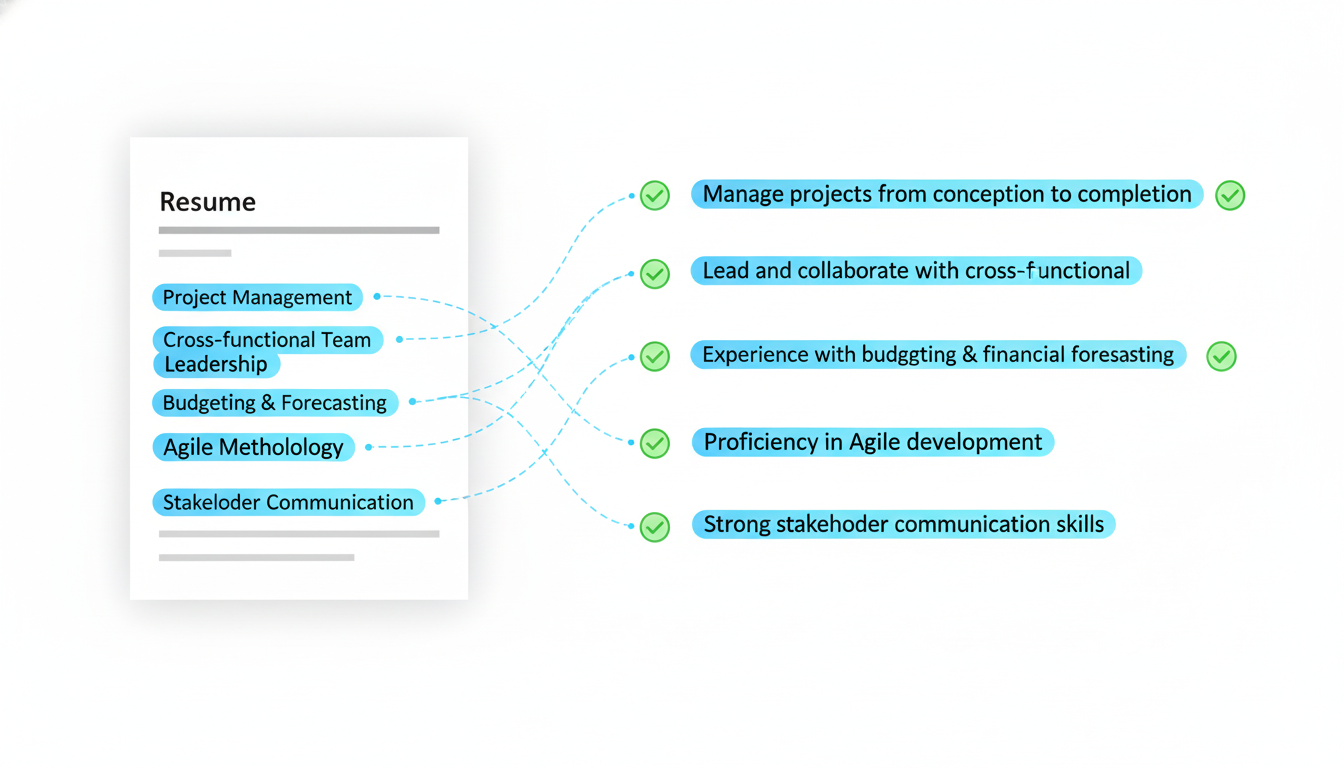
Most resumes fail the ATS because they are generic. They are written once and sent everywhere. The ATS does not reward generic. It rewards alignment. That means tailoring your resume to the job description every time you apply.
The problem is time. If you are applying to 20 roles a month, you cannot rewrite your resume from scratch. This is where a one-time purchase resume builder shines. You can own your template, build a master resume, and tailor it quickly with a repeatable workflow.
This guide shows a step by step process to match the ATS in minutes, using a pay-once resume system.

The Tailoring Mindset: Your Resume Is a Versioned Asset
A resume is not a static document. It is a versioned asset that changes with the role. The goal is to keep your core structure consistent while swapping in role specific keywords and outcomes.
A one-time purchase workflow makes this easy because you control the files. You are not locked into a platform subscription. You can create a master version and then duplicate it as needed.
Step 1: Create a Master Resume With Full History
Your master resume is your source of truth. It should include every role, project, and achievement you have. This is not the version you apply with. It is the database you pull from.
Include:
- All job titles and dates
- Complete bullet lists with metrics
- All tools and skills you have used
- Projects that show results
This gives you the flexibility to tailor without losing information.
Step 2: Extract the Job Keywords in 10 Minutes
Take the job description and pull out every repeated term. You are building a keyword map. Focus on:
- Role title and seniority
- Technical tools and platforms
- Methodologies and frameworks
- Soft skills and collaboration terms
- Business outcomes and metrics
This is the same logic used in Essential Keywords for Resume Success in 2026. If the job description repeats a term, the ATS will score for it.
Step 3: Build a Keyword Cluster List
Group the extracted keywords into clusters. For example, a product analytics role might include:
- Data tools: SQL, Python, Tableau, experimentation
- Product skills: cohort analysis, funnel analysis, retention
- Collaboration: stakeholder management, cross functional leadership
Clusters help you place keywords naturally, without stuffing.
Step 4: Update the Summary With Role Specific Language
Your summary is the first block the ATS reads. It should match the role title and include the top 3 to 5 keywords.
Use this formula:
- Target role title
- 2 to 3 core skills
- 1 measurable impact
- 1 collaboration or leadership signal
Example:
Product Analytics Manager with expertise in SQL, experimentation, and cohort analysis. Improved activation by 18 percent through funnel optimization and retention analysis. Known for cross functional collaboration with product and marketing teams.
This summary is short, keyword rich, and tailored.
Step 5: Align the Skills Section With the Job Description
Your skills section is a keyword index. Swap in the exact phrases from the job description, but keep the list clean.
Example format:
- Analytics: SQL, Python, Tableau, cohort analysis, A B testing
- Product: funnel analysis, retention, activation, roadmap planning
- Collaboration: stakeholder management, cross functional alignment
Do not overload the list. Focus on the top keywords that matter for the role.
Step 6: Swap the Top Bullets in Recent Roles
ATS systems care most about your recent experience. You do not need to rewrite every bullet. Instead, swap the top two or three bullets in your most recent roles to align with the job description.
Each bullet should include:
- An action verb
- A keyword phrase
- A measurable outcome
Example:
- Built SQL dashboards for funnel analysis, reducing reporting time by 35 percent and improving weekly decision making.
This bullet uses keywords and signals impact.
Step 7: Add a Targeted Project If Needed
If the role requires a tool you used in a project but not in your job history, add a short Projects section. This is a clean way to include missing keywords without stretching your experience.
Example:
- Developed a cohort analysis model in Python and Tableau to measure retention trends and guide product recommendations.
This adds tools and keywords in a truthful way.
Step 8: Check the ATS Parsing Flow
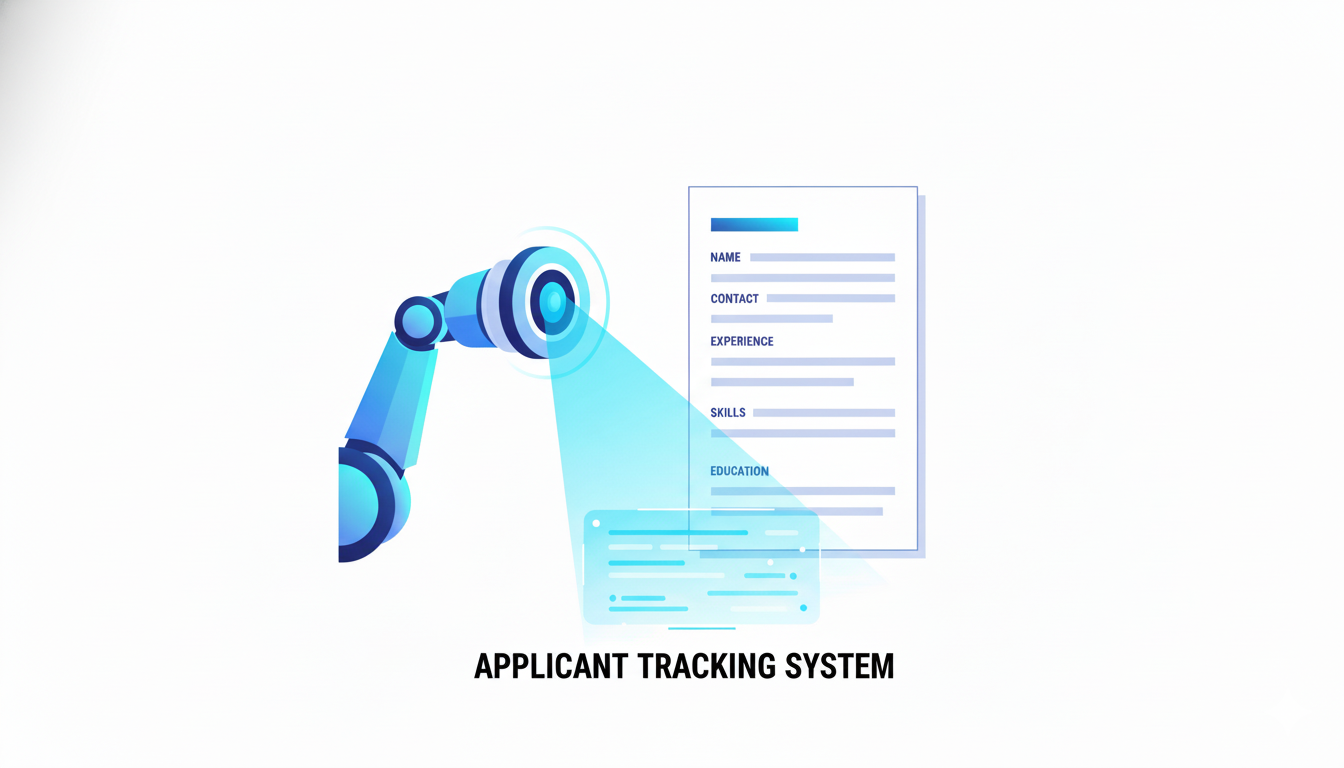
Before you submit, check the parsing order. Copy and paste your resume into a plain text editor and ensure the text flows correctly from top to bottom. If the order is scrambled, adjust formatting.
Also validate that key terms appear in the Summary, Skills, and top experience bullets. That is where the ATS weights your score most heavily.
Step 9: Use Clean File Naming and Export
File names also matter for professionalism. Use a clear naming convention:
FirstName-LastName-Role-Resume.pdf
Export as PDF unless the employer requests DOCX. Keep your file size reasonable and avoid embedded images.
Step 10: Build a Repeatable Tailoring System
Once you have the workflow, reuse it. A one-time purchase resume builder is perfect for this. You can duplicate your base template and update the key sections quickly.
A simple system:
- Master resume stored in a folder
- Role family resumes (for example, Product Analytics, Growth Analytics, Marketing Analytics)
- Job specific version created from the closest role family
This system makes tailoring fast and prevents mistakes.
Common Tailoring Mistakes to Avoid
Even smart candidates make these mistakes when tailoring. Avoid them and your ATS match score improves.
- Copying the job description directly
- Stuffing keywords without context
- Ignoring soft skills and collaboration terms
- Leaving generic summaries in place
- Forgetting to update the skills section
The ATS looks for natural keyword use, not copy paste spam.
Pair Tailoring With Strong Formatting
Tailoring only works if your resume is ATS friendly. If the parser cannot read it, your keywords do not matter. Use the formatting rules from ATS-Friendly Resume Formatting With a One-Time Purchase Template (2026).
This combination of structure and content is the winning formula.
Final Thoughts: Tailor Fast, Apply More, Win More
Tailoring is the difference between getting seen and getting ignored. A one-time purchase resume builder gives you the control to tailor quickly without paying a monthly fee. The key is a repeatable workflow that focuses on the summary, skills, and top experience bullets.
When you align your resume to the job description in minutes, you increase your ATS match score and your interview rate. That is the goal. Build your system once, then apply it everywhere.